Rice Cooker vs Instant Pot: Which One Actually Cooks Better Rice
Rice cooker vs Instant Pot, settled by mechanism. One senses doneness physically, the other runs a timer under pressure. That difference decides every rice type.
Updated
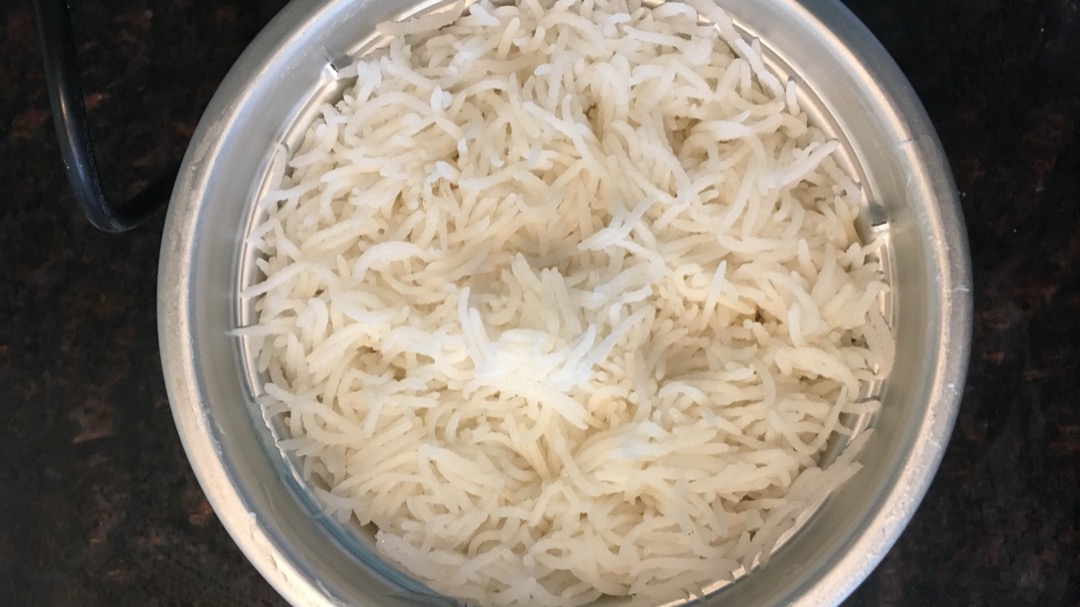
People talk about these two machines as though one is the budget version of the other, a rice cooker being an Instant Pot that only does one thing. The relationship is not that. They cook rice by two different physical mechanisms, and once you can see the difference, every contested question about texture, speed, water ratios, and which grain goes in which pot answers itself.
I ran a restaurant group’s test kitchen for four years, and rice was on the prep list every single day. Both of these machines lived on that counter, and the decision about which one a batch went into was never a matter of taste. It came down to one thing: whether the job wanted a machine that detects when the rice is done, or a machine that cooks hotter and faster on a clock.
The Short Answer
A rice cooker senses doneness. An Instant Pot cooks on a timer at higher temperature. That is the whole difference, and it points in opposite directions depending on what you cook.
Buy the rice cooker if:
- You eat rice several times a week and want it right without thinking about it
- You cook short-grain, sushi, or jasmine rice, where surface texture matters
- You want rice held at serving temperature for hours without drying out
- Your counter has room for one small appliance and rice is the job
- You want to press one button and walk away with no timer and no ratio math
Buy the Instant Pot if:
- Brown rice, wild rice, or whole grains are a regular part of your cooking
- You want the same pot to cook dry beans, stock, braises, and yogurt
- You batch-cook and would rather one machine earn its counter space across many jobs
- You already hand-cook rice fine and want the pressure functions more than the rice
- You cook for a crowd and want a single large vessel rather than two
How Each One Actually Cooks Rice
This is the section almost nobody gets right, and everything downstream depends on it.
The Rice Cooker: Absorption Plus a Thermal Cutoff
An inner pot sits on a heating plate. Underneath that plate, in the simplest and still most common design, is a spring-loaded magnetic thermostat built around a magnet with a Curie point, the temperature at which a magnet abruptly loses its pull.
Here is why that matters. As long as there is free water in the pot, the contents cannot get meaningfully hotter than water’s boiling point, roughly 212F at sea level. Energy going in turns water to steam rather than raising the temperature. The pot holds at that plateau no matter how long the element runs. Then the rice absorbs the last of the free water, the plateau ends, and the pot temperature climbs past boiling within seconds. The magnet crosses its Curie point, loses its grip, the spring throws the switch, and the cooker drops to keep-warm.
That cutoff is the entire invention. The machine is not counting minutes and hoping. It detects doneness physically, through the temperature of the vessel, which is why a basic rice cooker gets the same result from an old bag of rice as a fresh one and why you can add a little extra water without ruining anything.
Fuzzy-logic and induction-heating models put a microprocessor on top of that. Instead of a single on-off switch, they vary power through distinct stages: a soak to let the grains hydrate evenly before any cooking happens, a hard boil, a lower steam phase, and a rest at the end. That is why those machines take longer and why their rice is noticeably better. The extra time is mostly soaking, which is work, not waiting. Our best rice cookers guide splits the field along exactly this line, because the jump from a thermostat to fuzzy logic is the single biggest quality difference in the category.
The Instant Pot: Sealed Pressure and a Raised Boiling Point
An Instant Pot does something completely different. It seals the vessel and lets steam pressure build, which raises water’s boiling point. At roughly 11.6 psi above atmospheric, which is Instant Pot’s high pressure setting, water boils at about 240F instead of 212F.
Cooking is faster because the water is hotter, not because the heat is more aggressive. That distinction matters. Nothing is being seared or blasted. The same gentle simmer is happening, just twenty-eight degrees higher, and starch gelatinizes and fiber softens considerably faster at that temperature.
But the machine has no idea whether your rice is done. It has a pressure sensor and a clock. It knows it reached pressure and it knows how long it held there. The doneness sensing that a rice cooker does physically simply does not exist here, which is why Instant Pot rice depends entirely on you getting the ratio and the time right for your particular rice, your altitude, and how old the bag is. Nearly every quality complaint about pressure-cooked rice traces back to that one fact.
At a Glance
| Rice cooker | Instant Pot | |
|---|---|---|
| Cooking mechanism | Open absorption at boiling point, vented | Sealed pressure, water boiling near 240F |
| How doneness is determined | Physically, by a thermostat detecting the temperature rise when free water is gone | By timer, with no doneness feedback at all |
| Realistic total time, white rice | About 25 to 35 minutes basic, 45 to 60 for fuzzy logic with a soak | About 25 to 35 minutes including pressurizing and release |
| Best rice types | Sushi and short grain, jasmine, everyday long-grain white, congee | Brown rice, wild rice, mixed whole grains, congee |
| Keep-warm behaviour | Purpose-built low-wattage hold, good for hours | Runs the main base element, dries and crusts the bottom |
| Parts to clean | Inner pot, lid or inner lid, steam cap | Inner pot, lid, sealing ring, anti-block shield, condensation cup |
| Learning curve | Almost none, one button | Real, because ratio and release method both matter |
| Versatility beyond rice | Steaming, oatmeal and porridge, and honestly not much more | Beans, stock, braises, yogurt, eggs, steaming, sauté |
| Countertop footprint | Small to medium, low profile | Large and tall, needs clearance above for the lid |
| Price tier | Budget to mid, with fuzzy-logic and induction models at the top | Mid tier, with the largest and most featured models above that |
Speed, Counting the Whole Cycle
You will see the claim that an Instant Pot cooks rice in six minutes against a rice cooker’s twenty-plus. That number is real and it is also the wrong number, because it counts one segment of the cycle.
A full pressure cycle for white rice has three parts. First the machine has to come to pressure, which typically takes 8 to 12 minutes depending on how much is in the pot and whether your water started cold. Then it cooks at pressure, which is where the 3 to 8 minute figure comes from. Then it has to release.
The release is not optional and it is not fast if you want good rice. Rice wants natural release, or at minimum a ten-minute natural rest before you vent the rest. A quick release flashes steam out of the grains while they are still saturated and hotter than boiling, which leaves the outsides gummy and the centers firm, the worst of both. Starchy foam also spits through the valve when you quick-release rice, which sprays the underside of your cabinets.
Count all three segments honestly and a white rice cycle lands somewhere close to 25 to 35 minutes. A basic rice cooker runs roughly 25 to 35 minutes for the same white rice with no supervision at all. A fuzzy-logic cooker often runs 45 to 60, because it deliberately soaks first.
So the honest verdict on speed is this. On white rice the two machines are at near parity, and anyone telling you otherwise is timing only the middle of the Instant Pot’s cycle. The Instant Pot wins clearly on brown rice, where the temperature advantage is large and real. It also wins whenever you want that pot for something else in the same session. The rice cooker wins on unattended reliability, which is a different kind of speed: it is the time you get back from not standing near the machine.
Texture, Rice Type by Rice Type
This is where the machines genuinely separate, and it is the part of the question that most comparisons skip entirely.
Long-Grain White: Jasmine and Basmati
Jasmine goes to the rice cooker. It is a soft, aromatic grain that wants to come out tender with a little cling, and the gentle absorption cycle gives exactly that. A fuzzy-logic machine with a soak stage is noticeably better again, because pre-hydrated grains cook evenly from the outside in rather than the outside cooking first.
Basmati is the one the Instant Pot is inconsistent with. Basmati is prized for staying long, separate, and intact, and a long thin grain under pressure is fragile. The higher temperature pushes water into the grain faster than the structure wants, and batches come out with a noticeable proportion of broken grains and a slightly pasty exterior. It can be done well with a short time and a full natural release, but the margin for error is narrow. A rice cooker is more forgiving with it.
Short-Grain and Sushi Rice
The rice cooker, decisively, and I would not use a pressure cooker for sushi rice at all. Sushi rice needs to be cooked so that each grain stays distinct and slightly firm, then seasoned with vinegar while warm so it absorbs the dressing without turning to paste. Pressure over-gelatinizes the surface starch, which glues the grains together and leaves you folding vinegar into something already sticky. Once that surface texture is gone you cannot get it back, and the finished rice will not season properly. A fuzzy-logic rice cooker with a dedicated sushi setting is the right tool, and if you want the technique alongside the machine, our guide on how to make sushi rice covers the seasoning and cooling part properly.
Brown Rice
The Instant Pot’s clearest win. Brown rice keeps its bran layer, and that layer resists water. On the stovetop or in a basic rice cooker you are waiting for water to work through an intact husk at 212F, which is why brown rice takes 45 minutes or more and still comes out chewy in the middle if you hurry it. At 240F inside a sealed pot the same hydration happens in a fraction of the time, and the result is evenly cooked through with the bran still intact enough to give the grain its texture. Brown rice is also forgiving about the surface gelatinization that ruins sushi rice, because the bran shields it.
A good fuzzy-logic rice cooker does brown rice well too, with a dedicated longer cycle and a proper soak. It just takes considerably more time to get there, and our walkthrough on cooking brown rice in a rice cooker explains the soak and ratio that make that cycle work.
Wild Rice and Mixed Grains
Instant Pot. Wild rice is not rice at all botanically, it is a grass seed with a tough outer layer, and mixed grain blends usually combine things with very different cook times. Pressure compresses all of those times toward each other, which makes a blend that would be a mess of mush and gravel on the stove come out reasonably uniform. A basic rice cooker cannot do this at all, because its thermostat trips on the first grain to absorb its water.
Congee and Porridge
Both machines do this well and they do it differently. A rice cooker with a porridge setting simmers a high-water mixture gently for a long time, which is the traditional way and produces a silkier result with a little more grain definition left. An Instant Pot gets you there in a fraction of the time and breaks the grains down more completely, which many people prefer for congee specifically. If you make it often, the Instant Pot is the more practical choice. Watch the fill line either way, because starchy foam can reach the valve.
Water Ratios Do Not Transfer
This is the single most common cause of a bad first batch in a new machine, and almost nobody warns about it.
A rice cooker vents continuously. Steam leaves through the vent cap for the entire cook, so a meaningful fraction of the water you added never ends up in the rice. An Instant Pot is sealed and loses almost nothing until you release it. Whatever water you put in stays in the pot and ends up in the grains or as free liquid at the bottom.
The practical consequence is that Instant Pot ratios run drier. Many cooks land close to 1:1 by volume for white rice in a pressure cooker, against roughly 1:1.25 in a rice cooker for the same grain. Copy a ratio from one machine to the other and you will get either soup or a scorch ring, depending on which direction you copied.
Two other things shift the ratio: rinsed rice carries surface water and needs slightly less added, and older rice that has dried out in the pantry wants a little more. Our rice to water ratio guide breaks the numbers down by grain, and if you are scaling for a table rather than a bowl, how much rice per person is the companion piece. Treat published ratios as a starting point and adjust once for your machine, then never think about it again.
Keep-Warm, and Which Machine Holds Rice Better
The rice cooker wins this one outright, and it is a bigger practical difference than it sounds.
A dedicated rice cooker’s keep-warm uses a low-wattage element sized specifically for holding, and it maintains the pot somewhere around 145 to 165F. That is warm enough to be safe and gentle enough that rice stays pleasant for hours. A good machine will hold a batch from six in the evening until everyone has eaten and come back for seconds, and the rice at the end is still rice.
An Instant Pot’s keep-warm runs its main base element, the same one that does the heavy cooking. Heat is concentrated at the bottom of the pot rather than distributed for a gentle hold, so the layer against the base dries out and can form a crust. At the same time the sealed environment recondenses moisture onto the top layer. An hour in, you have a damp top and a dry bottom from one batch.
The food safety floor is worth stating plainly, since it is the number I have had drilled into me since ServSafe certification: hot holding needs to stay above 140F. Both machines clear that when their warm functions are actually on. What is not safe is the middle ground people improvise, leaving cooked rice in a switched-off pot on the counter to coast. Rice carries Bacillus cereus spores that survive cooking, and the zone between room temperature and 140F is exactly where they multiply. Either hold it hot or cool it fast and refrigerate it.
Cleanup and Maintenance
A rice cooker has three things to wash: the inner pot, the lid or the detachable inner lid, and the steam cap. That is a genuinely short list, and it is why these machines get used on a Tuesday rather than reserved for occasions.
The part that decides how long yours lasts is the inner pot coating. Non-stick inner pots are the first thing to fail on a rice cooker, usually from a metal spoon or a scouring pad rather than age, and once the coating goes the pot is done. Stainless inner pots need a soak after a sticky batch and occasionally a scrub, and in exchange they outlive the machine. If that trade appeals to you, we sorted the field in our guide to the best rice cookers with a stainless steel inner pot.
An Instant Pot has five things: the inner pot, the lid, the sealing ring, the anti-block shield on the underside of the lid, and the condensation cup at the back. The sealing ring is the real maintenance item. It is silicone, it lives in a warm wet environment, and it absorbs odour relentlessly. Cook a curry and your next batch of rice will smell faintly of it. Most people who use the machine seriously keep a second ring and dedicate one to savoury and one to sweet, which costs very little and solves the problem completely. Pull the ring and wash it separately, and check the anti-block shield for starch buildup, because a clogged one is a genuine safety issue.
One step belongs to both machines: rinse your rice. Run it under cold water in a fine-mesh colander, agitating with your fingers, until the water runs mostly clear. That removes surface starch, which is what makes unrinsed rice gluey and what makes an Instant Pot foam through its valve, and it washes off a portion of the inorganic arsenic rice takes up from soil. A fine mesh matters here, since standard colander holes let short grains straight through, and our best colanders roundup flags which ones are actually fine enough for rice.
Versatility Beyond Rice
This is the Instant Pot’s real argument and it is a strong one. Dry beans go from the bag to fully cooked in under an hour without an overnight soak, which changes what you can decide to cook at five in the afternoon. Stock that would take a stovetop pot all day comes out rich in ninety minutes, because sustained pressure extracts collagen far faster. Tough braising cuts like chuck, shank, and oxtail get genuinely tender in a single afternoon. Add yogurt, hard-boiled eggs that peel cleanly, and steaming, and you have a machine that earns its footprint several times a week.
A rice cooker steams vegetables in a basket above the rice and holds oatmeal or porridge. That is close to the honest extent of it. Some models sauté weakly or have a cake setting, and I would not buy one for those.
There is a counterpoint worth making in the rice cooker’s favour, though, and it is about what happens the next day. Leftover rice, spread to cool quickly and refrigerated overnight, is one of the most useful things you can have in your fridge. The grains dry slightly and firm up, which is exactly what fried rice needs, because fresh rice steams and clumps in a pan while day-old rice separates and fries. That rice belongs in a screaming hot wok with very little oil and constant movement, which is a different skill and a different pan from anything either of these machines does. We covered what to look for in our best woks guide, and if you cook on an electric or induction hob where a thin carbon steel pan cannot hold its heat against a cold load, the best cast iron woks are the better match for the same job.
The Confusion Worth Clearing Up
Instant Pot the company also sells a dedicated single-purpose rice cooker under its own brand. It is not a pressure cooker. It is a rice cooker in the conventional sense, with a vented lid and an absorption cycle, and it competes with other rice cookers rather than with its own stablemate.
That product has quietly poisoned a lot of the comparison writing on this topic, because half the articles you will find are comparing a rice cooker against a rice cooker with an Instant Pot badge on it and reporting, unsurprisingly, that the difference is small.
To be unambiguous: this article compares a dedicated rice cooker against an Instant Pot multi-cooker, the sealed electric pressure cooker that most people mean by the name. Every mechanism, time, and texture claim above is about that pair.
Which One Should You Buy
Rice daily or near-daily as a staple. Rice cooker, and spend up for fuzzy logic if the budget allows. The quality difference between a thermostat model and a microprocessor model with a soak stage is larger than the difference between a good rice cooker and an Instant Pot, and you will taste it every single day. Our best rice cookers roundup is organised around that split, and once yours arrives, how to use a rice cooker covers the first-batch setup that most manuals rush past. If the machine you end up with is an Aroma, which is the most common entry point into this category, we wrote a dedicated walkthrough for using an Aroma rice cooker because its cycle labels are not self-explanatory.
Big-batch meal preppers. Instant Pot. Beans, stock, shredded braised meat, and grain bowls all come out of one pot, and a large capacity model handles a week of prep in an afternoon. Rice is one item on that list rather than the reason to buy.
Small kitchens, dorms, and RVs. Rice cooker, on footprint alone. It is shorter, lighter, needs no clearance above the lid, and draws less power, which matters on a shared circuit or a generator. A small model doing rice and steamed vegetables covers a surprising amount of real cooking in a space that has no oven.
People who already own one of the two. If you own an Instant Pot and eat mostly white and brown rice, you do not need a rice cooker, you need to dial in your ratio once. If you own a rice cooker and you keep looking at bags of dry beans and putting them back, that is the Instant Pot’s argument speaking.
Households cooking for one or two. Lean rice cooker. Small batches suffer in a large pressure pot, since a thin layer of rice in a wide base scorches more easily and the minimum liquid required to reach pressure does not scale down well. A small rice cooker handles one or two cups gracefully, and its keep-warm means the second person can eat an hour later.
Do You Need Both
Most households do not. But the pairing is genuinely complementary rather than redundant, in a way that owning two overlapping machines usually is not.
If rice is a daily staple and you also batch-cook beans, stock, and braises, the two almost never want the same job at the same time, and each one frees up the other. The rice cooker holds a finished batch at serving temperature all evening while the multi-cooker is tied up with a braise. No single machine does both of those simultaneously.
The cost is countertop, and it is a real cost. These are two of the larger small appliances a kitchen owns, and the Instant Pot needs vertical clearance for its lid on top of its base footprint. Together they take a meaningful share of a normal counter run. That space has to be worth more to you than whatever else would live there.
The Verdict
Buy the rice cooker if you want rice to stop being a decision. It is the only one of the two that physically knows when your rice is done, it is better at the short and long grains most people eat daily, and its keep-warm is in a different class. Buy the Instant Pot if you want one machine to do a lot of work and rice is one job among many, or if brown rice and whole grains are what you actually cook. Neither is the budget version of the other. They are answers to two different questions, and the only mistake is picking one while asking the other.
Frequently Asked Questions
Is an Instant Pot good as a rice cooker?
Can I use a rice cooker instead of an Instant Pot?
Is pressure-cooked rice less healthy than rice-cooker rice?
Do I need both a rice cooker and an Instant Pot?
Why not just cook rice in a pot on the stove?
Related Articles
How to Use a Rice Cooker
small-appliances
The 9 Best Rice Cookers of 2026, Tested by a Chef
small-appliances
The 9 Best Stainless Steel Rice Cookers of 2026, Tested by a Chef
small-appliances
Rice to Water Ratio: The Chart for Every Type of Rice (Stovetop, Rice Cooker, Instant Pot)
small-appliances
How to Cook Brown Rice in a Rice Cooker
small-appliances
About the Reviewer

Nora Whitfield, CIA Culinary Arts, ServSafe Certified
A.O.S. Culinary Arts, The Culinary Institute of America
Nora Whitfield trained at the Culinary Institute of America and spent twelve years in professional kitchens, the last four running the test kitchen for a regional restaurant group where her job was to decide which equipment could survive a dinner service and which could not. She has seasoned more carbon-steel woks than she can count, boiled water in every kettle worth owning, and broken enough cheap gear to know exactly where manufacturers cut corners. She reviews kitchen equipment the way she specified it professionally: cook on it, clean it, and see what it looks like after a month.