The 9 Best Rice Cookers of 2026, Tested by a Chef
CIA-trained chef Nora Whitfield ranks the 9 best rice cookers of 2026 on heating type, inner pot build, keep-warm quality, and how they handle brown rice and sushi rice.
Updated
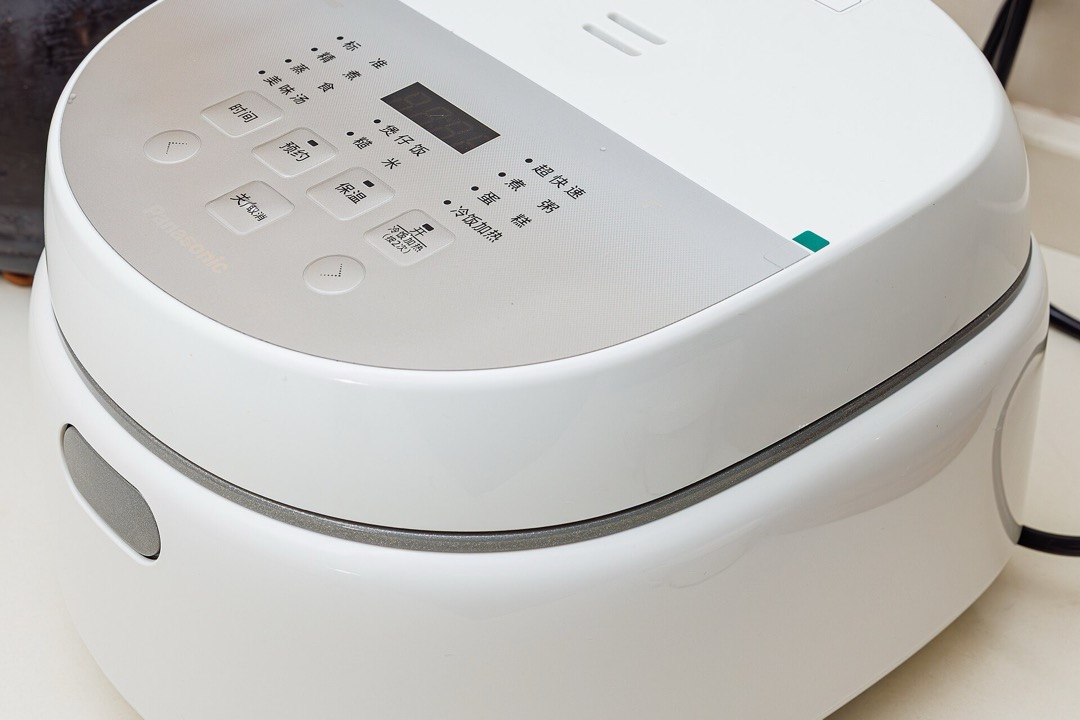
I have cooked rice on a line where a bad batch meant a hundred plates went out wrong, and I have replaced enough dead rice cookers on a restaurant group’s equipment budget to know exactly which parts fail first. The reason most people are disappointed by their rice cooker is not the machine’s fault. It is that all of them look the same on a shelf, so almost everyone buys on capacity and price and ends up with a heating plate and a switch when what they actually needed was a controller. The best rice cooker for you is decided by one question: does the machine react to what is happening inside the pot, or does it just boil until the water is gone?
That single distinction sorts this entire category. A thermostat cooker is a very good, very cheap machine for plain white rice and a bad machine for anything else, because it cannot tell the difference between rice that needs another four minutes and rice that is done. A fuzzy logic cooker reads temperature through the cook and adjusts. An induction cooker heats the pot itself and can change temperature fast enough to run a genuine boil and then a clean rest. A pressure cooker raises the boiling point past 212 degrees, which is the only way to make brown rice and mixed grains soft without cooking them for an hour. Every machine in this 2026 guide sits in one of those four buckets, and I have said plainly which bucket each one is in.
I selected nine machines and verified every one as an in-stock, new-condition Amazon listing before writing a word about it. They run from a one-switch thermostat cooker that has been sold essentially unchanged for years to a Japan-made induction machine with a stainless-clad spherical pan. Before you spend anything, it is worth reading our rice to water ratio chart, because a good machine cannot rescue a measurement that is badly off, and a surprising number of rice cooker complaints are really water complaints.
Find the Best Rice Cooker for Your Need
Rice cooker shopping is really use-case shopping. Jump to the situation that matches yours:
- Best rice cookers overall
- Best rice cooker for sushi rice
- Best small rice cooker for one or two people
- Best rice cooker for brown rice
- Best large rice cooker for a family
- Best induction rice cooker
- Best korean rice cooker
- Best cheap rice cooker
How We Chose These Rice Cookers
Every machine here was judged against the same four criteria, and each ASIN was checked as an active, buyable listing with a new-condition offer before it made the list. First, heating architecture: what technology the machine uses and, just as important, where the heaters physically sit, since a bottom-only element cooks a full pot unevenly no matter how clever the software is. Second, the inner pot, because that is the wear part, and a thick spherical pan behaves nothing like a thin stamped one. Third, keep warm quality, since most households leave rice sitting for an hour or more and that is the majority of their actual experience of the machine. Fourth, what the grain menu really covers, separating machines with a genuine brown rice or GABA program from machines that simply run the white cycle for longer. I then weighed those against price, ownership depth in the review record, and how much cleaning each design demands, and deliberately spread the picks across every price tier so a dorm room, a two-person apartment, and a family of six all get a real answer.
Best Rice Cookers Overall
These are the nine machines I would put in a kitchen in 2026, each reviewed once below with its honest tradeoffs. The best overall pick leads because it makes the fewest compromises across the widest range of grains. The use-case sections further down regroup the same machines by what you specifically need, whether that is sushi rice, brown rice, a small counter, or a big pot.
Best Overall: Zojirushi NS-ZCC10 Neuro Fuzzy
The Neuro Fuzzy has been the answer to this question for years and it still is, for a reason that has nothing to do with brand loyalty. Almost every rice cooker under two hundred dollars heats from the bottom. This one has heaters in the bottom, the side wall, and the lid, so the rice is surrounded. Cook a full pot in a bottom-heated machine and then in this one, and the difference is immediately visible: in the cheaper machine the bottom third is firm and the top third is soft and wet, and in this one the whole batch is one texture. That is not a subtle improvement you have to talk yourself into. It is the difference between rice you serve and rice you apologise for.
The controller is the other half of it. Fuzzy logic here means the machine takes temperature readings through the cook and lengthens or shortens stages to compensate, which is why a slightly generous pour of water produces separate grains rather than a sticky mass. It also has the best keep-warm cycle on this list by a wide margin. Rice held in a thermostat cooker for two hours develops a yellow crust at the edges and a stale smell. Rice held in this one for the same two hours is still rice. If you cook before people arrive rather than as they sit down, that alone justifies the machine.
What you are not getting is capacity. Five and a half cups uncooked is a family-of-four pot, not a party pot, and there are cheaper machines here that hold nearly twice as much. It is also tall enough that the lid will not clear a standard upper cabinet, and the nonstick pan is a consumable that you will replace eventually. But for the range of grains a home cook actually makes, from sushi rice to semi-brown to porridge, nothing else here is as consistently right.
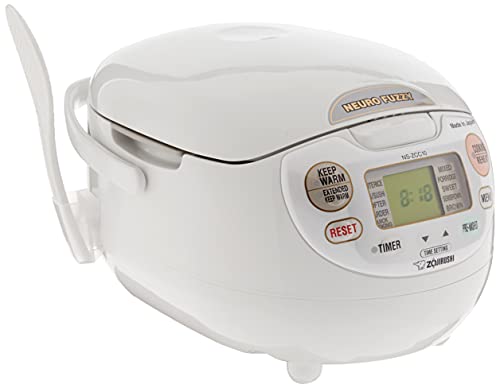
Zojirushi Ns ZCC10 Neuro Fuzzy Rice Cooker and Warmer (White)
by Zojirushi
The best rice cooker overall, because surrounding heat plus a controller that adjusts mid-cook gives you consistent rice from the top of the pot to the bottom on almost any grain.
Pros
- Heaters in the bottom, the side wall, and the lid, so the pot is surrounded rather than warmed from below, which is why the top layer finishes at the same texture as the bottom instead of sitting steamed and wet
- The fuzzy logic controller reads temperature during the cook and adjusts the schedule, so a slightly heavy hand on the water still produces separate grains rather than porridge
- The keep-warm cycle is the best on this list, holding rice for hours without the yellow crust and stale smell that a plain thermostat cooker develops after about an hour
- Separate white, sushi, semi-brown, brown, sweet, porridge, and quick programs, plus softer and harder settings inside the white program, so one machine covers most of what a home cook actually makes
Cons
- It is expensive for a 5.5-cup machine, and you are paying for control rather than capacity
- The nonstick coating on the inner pan is the wear item, and after several years of daily use it will need replacing
- It is a tall, bulky unit that does not tuck under a standard upper cabinet with the lid open
Budget Pick: Aroma ARC-363NG 3-Cup Rice Cooker
There is a real argument for buying the simplest machine in the category rather than a mid-priced one, and this Aroma is that argument. It has a magnetic thermostat and one switch. When the water is gone and the pot temperature climbs past boiling, the magnet releases and the switch flips to warm. There is no board to fail, no gasket to perish, no steam valve to clog, and no menu to learn. That mechanism has been made this way for decades because it works, and 27,564 reviews at 4.5 stars means its failure modes are well documented rather than guessed at.
What it does well it does properly. Plain white rice, measured correctly, comes out fine. The 1.5-quart body fits a dorm shelf or an RV counter where a full-size cooker simply will not go. The pot lifts out and washes in under a minute with nothing to disassemble. For a student, a first apartment, or a second cooker to keep at a vacation place, this is the sensible purchase and the money saved is better spent on rice.
The limits are exactly where you would expect. Nothing is reading the pot, so your water measurement has to be right, and if it is wrong the machine will confidently produce wrong rice. Keep warm is just a low heat, so the edges start drying inside an hour. Brown rice is a stretch, since there is no dedicated cycle and no way to extend the soak, though you can improve matters considerably by soaking for 30 to 45 minutes first. Our guide to how to use a rice cooker covers the technique that gets the most out of a simple machine like this one.

AROMA Rice Cooker, 3-Cup (Uncooked) / 6-Cup (Cooked), Small Rice Cooker, Auto Keep Warm, 1.5 Qt, White, ARC-363NG
by Aroma
The best budget rice cooker, a one-switch thermostat machine with nothing to go wrong, sized for one or two people who want plain white rice without a project.
Pros
- A single magnetic thermostat and one switch, which is the most reliable mechanism in this whole category because there is no board to fail and nothing to program
- 27,564 reviews at 4.5 stars is a deep enough ownership record that the failure modes are well documented rather than unknown
- The 1.5-quart footprint fits a dorm shelf, an RV counter, or a corner of a small apartment kitchen where a 5.5-cup machine will not go
- The inner pot lifts out and washes in the sink in seconds, with no gasket, no steam valve, and no removable lid plate to disassemble
Cons
- It cooks on a fixed thermostat with no logic behind it, so your water measurement has to be right, because the machine will not correct for you
- Keep warm is a low heat rather than a managed hold, and rice starts drying at the edges within an hour
- Brown rice and other long-cooking grains are a stretch here, since there is no dedicated cycle and no way to extend the soak
Upgrade Pick: Zojirushi NW-QAC10 Induction Heating
This is the machine for someone who eats rice most days and has decided to stop compromising. Induction turns the metal pan into the heating element, so instead of heat creeping up from a plate underneath, the whole pot wall heats at once and the machine can change temperature almost instantly. What that buys you in practice is a real rolling boil stage followed by a clean drop to rest, rather than the long uncertain simmer a bottom-heated cooker produces. The grains come out glossier and more distinct, and the effect is most obvious on plain white rice where there is nowhere for a flaw to hide.
The pan is what makes the induction worth having. It is a 1.7 mm spherical pot of aluminum clad in stainless steel, the pairing induction pans use so the outer layer takes the heat and the core spreads it around the curve of the bowl. The menu covers almost everything a home cook makes: sushi and sweet rice, jasmine with its own quick setting, congee, brown, a GABA brown program that holds the rice warm long enough to start germination before it cooks, steel-cut oatmeal, and quinoa. The inner lid is stainless and detaches for washing, and a self-clean cycle steams out the starch smell that otherwise settles into the lid.
The case against it is straightforward and mostly about money. It sits at the top of this guide on price, and the gap between it and the Neuro Fuzzy is real but incremental rather than transformative. It is also plain induction rather than Zojirushi’s pressure induction line, so for brown rice and mixed grains the pressure Cuckoo is still faster. Its rating is shared with the 10-cup version on one listing, which leaves a shorter ownership record than the older Zojirushi machines here. Buy it if rice is a daily staple. If it is a twice-a-week side dish, the Neuro Fuzzy is the better value.

Zojirushi NW-QAC10 5.5-Cup Induction Rice Cooker and Warmer, Black
by Zojirushi
The best upgrade rice cooker, a Japan-made induction machine that heats the pan itself and carries sushi, GABA brown, and steel-cut oat programs in one 5.5-cup body.
Pros
- Induction heats the metal pan itself rather than a hot plate under it, so the machine can raise and drop the temperature fast enough to run a real boiling stage instead of a long simmer
- A thick 1.7 mm spherical pan of aluminum clad in stainless steel, which spreads the induction heat around the curve of the bowl instead of concentrating it at the base
- Twelve menus including sushi and sweet, GABA brown, brown, mixed, steel-cut oatmeal, quinoa, jasmine, and congee, so one machine covers nearly every grain a home kitchen cooks
- Keep warm, extended keep warm, and reheat, plus a detachable stainless inner lid and a self-clean cycle that keeps starch smells out of the lid
Cons
- It sits at the top of this guide on price, and the improvement over the Neuro Fuzzy is real but incremental
- It is plain induction rather than Zojirushi's pressure induction line, so the pressure Cuckoo still softens brown rice and mixed grains faster
- Its rating is shared with the 10-cup NW-QAC18 on one listing, which leaves a shorter ownership record than the older Zojirushi machines here
Runner-Up: Aroma ARC-7606 360° Induction Rice Cooker
The Aroma is here because it breaks the usual rule that induction means paying flagship prices. Aroma sells it as an induction machine and the construction backs that up, because the inner pot is 2 mm iron, the kind of ferromagnetic metal an induction coil heats directly. It costs a fraction of the Zojirushi, and if your budget stops well short of that machine but you understand why induction matters, this is the way in.
What it gets right is the basics of heat. Dual temperature sensors read the pot from more than one point, the heavy iron pot holds heat evenly through the rest stage, and the stainless steel lid keeps the top of the bed from cooling faster than the bottom. Six cups uncooked is a genuine family pot, and the steam tray in the box means a vegetable side can cook over the rice in the same cycle. The 15-hour delay timer lets you set it up well ahead of a meal.
The reservations are about refinement and track record. The menu is short: white rice, multigrain, oatmeal, porridge, soup, and steam, with no sushi, brown, or GABA program, so brown rice goes on the general multigrain setting. Keep warm is a single automatic mode with no extended hold or reheat. And its ownership record is far thinner than the Zojirushi and Cuckoo machines, so how the nonstick coating over that iron holds up over years is less proven. None of that is a reason to avoid it, but all of it is worth knowing before you buy.

AROMA Professional 6-Cup (Uncooked) 360° Induction Rice Cooker and Multicooker, ARC-7606GR
by Aroma
The runner-up, and the cheapest route to induction heating in this guide, with a heavy iron pot and a 6-cup capacity that suits a family weeknight.
Pros
- Induction heating at a price where almost everything else is still a bottom hot plate, which is the single biggest jump in rice quality you can buy in this category
- A 2 mm iron inner pot, the kind of ferromagnetic metal an induction coil heats directly, heavy enough to hold heat evenly through the rest stage
- Dual temperature sensors and a heat-retaining stainless steel lid, so the machine reads the pot from more than one point and the top of the bed does not cool first
- White rice, multigrain, oatmeal, porridge, soup, and steam programs, a 15-hour delay timer, and a steam tray in the box
Cons
- There is no sushi, brown, or GABA program, so brown rice goes on the general multigrain setting rather than a dedicated cycle
- Keep warm is a single automatic mode, with no extended hold or reheat like the Zojirushi machines
- The ownership record is short next to the Zojirushi and Cuckoo machines, so how the nonstick coating over the iron holds up over years is less proven
Cuckoo CRP-P0609S High Pressure Rice Cooker
Pressure is the technology that changes what is possible with brown rice, and this Cuckoo is the machine that demonstrates it. Raising the boiling point above 212 degrees lets water penetrate the bran layer that makes brown rice stubborn, so grains that take an hour and still finish chalky in a standard cooker come out properly soft and evenly done here. Barley, farro, and mixed multigrain blends benefit in the same way. If someone in your house has decided the family is eating more whole grains, this is the appliance that makes that decision stick.
It is also the fastest machine in this guide by a distance. Turbo white rice finishes in 18 to 24 minutes, which on a Tuesday matters more than any other specification on the page. The GABA program holds germinating temperature before the cook, and the nu rung ji setting deliberately builds a scorched crust at the bottom of the pot, which is a feature if you grew up eating it and a curiosity if you did not. The auto-clean steam cycle handles the gasket and pressure valve, which is the part of a pressure cooker almost nobody cleans properly on their own.
The tradeoffs come with the technology. This is a pressure vessel, so the lid gasket and valve are maintenance items and it is loud when it vents. Pressure also produces a softer, stickier grain by its nature, so if you want fluffy separate basmati this is the wrong tool. The menu structure and voice prompts assume Korean cooking conventions, which takes some learning if that is unfamiliar.

CUCKOO High Pressure Rice Cooker, 12-Cup Cooked, Black, CRP-P0609S
by Cuckoo
The fastest machine here and the one that finally makes brown rice and mixed grains taste like something you would choose rather than tolerate.
Pros
- Cooking under pressure raises the boiling point, which is why this machine gets brown rice, barley, and mixed grains properly soft in a fraction of the time a standard cooker needs
- Turbo white rice finishes in 18 to 24 minutes, the fastest full cycle in this guide, which matters more on a weeknight than any other spec
- The GABA program holds germinating temperature before cooking, and the nu rung ji setting builds a deliberate scorched crust at the bottom of the pot
- An auto-clean steam cycle deals with the gasket and pressure valve, which is the part of a pressure cooker most people never clean properly
Cons
- It is a pressure vessel, so the lid gasket and valve are maintenance items and the machine is loud when it releases steam
- Pressure produces a softer, stickier grain by nature, so it is the wrong choice if you want fluffy separate long-grain rice
- The voice prompts and menu structure are built around Korean cooking conventions and take a while to learn
Cosori 10-Cup Fuzzy Logic Rice Cooker
The Cosori is the value proposition on this page. Real fuzzy logic control, meaning a machine that reads the pot and adjusts rather than following a fixed schedule, normally starts well above where this one sits, and here it comes with the largest capacity in the guide attached. At 4.8 stars across 5,664 reviews it also carries a strong review record, which is not what you usually see on a large-capacity machine, since big pots are exactly where cheap cookers fall apart.
The ceramic-coated inner pot is a better choice than it might look. Standard nonstick is the norm in this category and it wears, particularly in a household where someone will eventually use the wrong utensil. Ceramic tolerates more and releases sticky short-grain rice more cleanly, which is the situation where a tired nonstick coating first shows its age. If you would rather have no coating at all, that is a different shopping list, and a short one: see our guide to rice cookers with a stainless steel inner pot, where I checked which machines have a genuinely bare pot and which only have a stainless shell. Ten cups uncooked is a genuine party pot, and the sauté and slow-cook functions mean the machine has a reason to stay on the counter between rice nights.
Be clear about the physics, though. This is a bottom-heated machine, so on a full 10-cup batch the top layer will finish softer than the bottom. That is the price of the price, and it is exactly what the surrounded-heat Zojirushi machines are charging you to avoid. The pot is also wide and shallow, which is efficient for large batches and poor for a single cup, because the rice bed ends up too thin to cook evenly.

Cosori Rice Cooker 10 Cup, Fuzzy Logic, Ceramic Coating Inner Pot, 18-in-1, 24H Keep Warm and Delay Timer
by Cosori
The value pick of this guide, a large-capacity fuzzy logic cooker with a strong review record and a ceramic pot that survives a real kitchen.
Pros
- 4.8 stars across 5,664 reviews, an unusually strong record for a machine that also carries the largest capacity here
- Real fuzzy logic control rather than a fixed thermostat, so it adjusts during the cook the way the Zojirushi machines do, at a fraction of the outlay
- The inner pot is ceramic coated rather than standard nonstick, which holds up better to metal-adjacent abuse and washes cleaner after sticky rice
- Ten cups uncooked is genuinely a party pot, and the sauté and slow-cook functions mean it earns its counter space between rice nights
Cons
- Bottom heating only, so the top layer of a full 10-cup batch finishes softer than the bottom in a way the surrounded-heat machines avoid
- Eighteen functions is more menu than most people need, and the extras are competent rather than excellent
- The pot is wide and shallow, which is efficient for large batches but cooks a single cup of rice poorly because the bed is too thin
Cuckoo CR-0675FG Micom Fuzzy Logic Rice Cooker
This is the non-pressure Cuckoo, and it exists for households that want Korean-style programs and a real fuzzy logic controller without the maintenance and noise of a pressure machine. Six cups uncooked is the right size for a family of four with leftovers, and it is noticeably less tall than the 10-cup machines, which matters more in a real kitchen than people expect until they try to fit one under a cabinet.
Two things make it worth its price over a simpler cooker. It has a genuine GABA brown program, holding the rice at germinating temperature before cooking, which is unusual at this level. And it has an auto-clean cycle that steams the inner lid and pot, which sounds trivial and is not. Starch condensation on an inner lid plate is the single most common reason a rice cooker develops a smell nobody can trace, and a machine that cleans that surface for you is a machine you will still like in year three. Quick white rice in 28 to 36 minutes is fast enough that it does not dictate your dinner timing.
Its rating is the lowest in this guide at 4.3, and the complaint that recurs is inner-pot coating wear inside the first couple of years, which is worth weighing. It also does not have the brown rice advantage of the pressure model above it in Cuckoo’s own range, so if whole grains are the reason you are shopping, spend the difference. The control panel is dense and the manual assumes some prior familiarity with mixed-grain cooking.
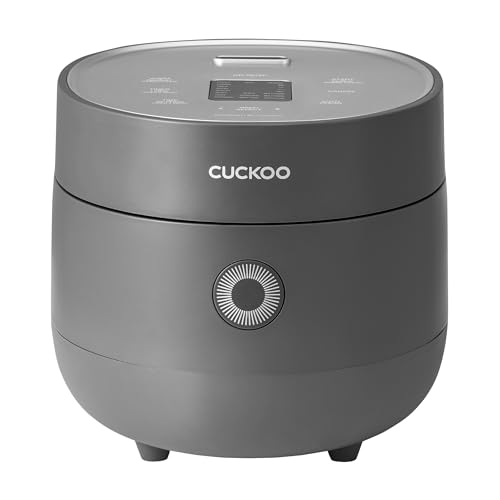
CUCKOO Micom Fuzzy Logic Rice Cooker, 12-Cup Cooked, Gray, CR-0675FG
by Cuckoo
A mid-price fuzzy logic cooker with a real GABA program and an auto-clean cycle, sized for a family that cooks rice several times a week.
Pros
- Fuzzy logic control and a proper GABA brown program at a mid-tier price, which is normally where you have to give up one or the other
- Quick white rice in 28 to 36 minutes, fast enough that it does not force you to plan dinner around the cooker
- The auto-clean cycle steams the inner lid and pot, which is the difference between a machine that smells fine in year two and one that does not
- Six cups uncooked is the right size for a family of four with leftovers, without the height of the 10-cup machines
Cons
- 4.3 is the joint-lowest rating in this guide, and the recurring complaint is inner-pot coating wear inside the first two years
- No pressure, so it does not have the brown-rice advantage of the pressure Cuckoo above it in the range
- The control panel is dense and the manual assumes you already know what a mixed-grain setting is for
Aroma ARC-914SBD Digital Rice Cooker with Steam Tray
With 65,285 reviews at 4.5 stars, this is the most-owned machine in this guide by an enormous margin, and that depth of record is worth something on its own: whatever this cooker does, it does predictably. It is a digital thermostat machine rather than a fuzzy logic one, meaning it follows a programmed schedule rather than reading the pot, but it is programmable in ways the single-switch cookers are not, with separate white and brown cycles and a 15-hour delay timer.
The steam tray is the reason to choose it over a plainer machine. It sits above the rice and cooks vegetables or a fillet of fish in the same cycle, using steam that would otherwise be wasted, which turns one appliance and one cleanup into a whole side of a meal. It is also the easiest way to put a jammy egg on top of the rice without running a second pan: steam sits at the same temperature as boiling water, so the timing is identical, and our free egg boiling timer works out that time for your egg size and elevation. In a small kitchen that is a genuinely useful piece of engineering. The stainless exterior and removable nonstick pot both clean easily, and the whole unit is light enough to move to a shelf when you need the counter, which is not true of the heavy machines here.
Its limits are the limits of the technology. Because nothing is reading the pot, a bad water measurement produces bad rice, exactly as with the simpler Aroma. The brown rice cycle works but produces a softer, wetter grain than the pressure or induction machines. And the lid does not come off for washing, so condensation residue accumulates around the hinge over time and needs deliberate attention.

AROMA Digital Rice Cooker, 4-Cup (Uncooked) / 8-Cup (Cooked), Steamer, Grain Cooker, Multicooker, 2 Qt, Stainless Steel Exterior, ARC-914SBD
by Aroma
The most-owned machine here, a programmable digital cooker with a steam tray that makes rice and a vegetable side in one cycle.
Pros
- 65,285 reviews at 4.5 stars, by a wide margin the most-owned machine in this guide, which makes its behaviour genuinely predictable
- The steam tray sits above the rice and cooks vegetables or fish in the same cycle, which turns one appliance into a whole side dish
- A 15-hour delay timer and separate white and brown programs, which is real programmability rather than a single switch
- Stainless exterior and a removable nonstick pot that both clean easily, and the whole thing weighs little enough to move to a shelf between uses
Cons
- It is a digital thermostat rather than fuzzy logic, so it follows a fixed schedule and will not correct a bad water measurement
- The brown rice program works but produces a softer, wetter grain than the pressure or induction machines here
- The lid is not removable for washing, so condensation residue collects around the hinge over time
Zojirushi 3-Cup Micom Compact Rice Cooker
Most small rice cookers are small because they are cheap. This one is small on purpose. It is a full Zojirushi fuzzy logic machine, with the same controller philosophy as the 5.5-cup models, built into a 3-cup body with a retractable cord and a footprint that genuinely fits on a crowded apartment counter. For a one or two person household that eats rice regularly, this is a better machine than a large cooker running at its minimum, and the reason is geometry.
Rice cooks by absorbing water in a bed, and if the bed is too shallow the water races through it and the grains finish weak and unevenly done. A 10-cup machine cooking one cup produces exactly that, no matter how good its controller is. This cooker has a deep, narrow pot, so one cup still forms a proper bed and still cooks correctly. That is the whole argument for buying small rather than buying big and hoping. It carries dedicated white, sushi, mixed, porridge, brown, steel-cut oat, and quick programs, plus the same extended keep warm and reheat as its larger siblings.
The obvious objection is that it costs about what full-size fuzzy logic cookers from other brands cost, which is true, and you are paying for the control rather than the capacity. Three cups is also a hard ceiling, so the moment you regularly cook for more than three people it becomes the wrong machine. And because the pot is small, a heaping measuring cup is a proportionally larger error here than elsewhere, so weigh your rice if you can.

Zojirushi Micom 3-Cup Compact Size Rice Cooker and Warmer, Stainless Steel, Built-In Retractable Power Cord
by Zojirushi
The small-kitchen answer, a genuine fuzzy logic Zojirushi in a 3-cup body with a pot deep enough to cook one cup properly.
Pros
- Full Zojirushi fuzzy logic control in a 3-cup body, so a one or two person household gets the same cooking intelligence as the 5.5-cup machines
- A deep, narrow pot rather than a wide shallow one, which keeps the rice bed thick enough at small volumes that a single cup still cooks correctly
- The retractable cord and small footprint make it the only machine here that genuinely lives on a crowded apartment counter without annoying you
- Dedicated white, sushi, mixed, porridge, brown, steel-cut oat, and quick programs, plus the same extended keep warm and reheat as the larger models
Cons
- Three cups uncooked is a hard ceiling, and it is the wrong machine the moment you cook for more than three people
- It costs about as much as full-size fuzzy logic cookers from other brands, so you are paying for the control, not the capacity
- The inner pot is small enough that a heaping measuring cup is a meaningful error, so measure by weight if you can
Best Rice Cooker for Sushi Rice
Sushi rice is short-grain rice cooked slightly firm so it can absorb seasoned vinegar afterwards without collapsing. That means you want a machine with a dedicated sushi program, which cooks with marginally less water and a shorter steam, and you want even heat so the whole batch takes the vinegar the same way. Bottom-heated machines are the weak point here, because a top layer that finished wetter turns to paste the moment you fold seasoning through it.
| Product | Price | Buy |
|---|---|---|
| Zojirushi Ns ZCC10 Neuro Fuzzy Rice Cooker and Warmer (White)Best for sushi rice overall Dedicated sushi program plus bottom, side, and lid heaters, so the whole batch takes vinegar evenly | $223.99 | View on Amazon |
| Zojirushi NW-QAC10 5.5-Cup Induction Rice Cooker and Warmer, BlackBest for large sushi batches Induction heat, a sushi and sweet program, and a thick spherical pan, for distinct short-grain rice in a full 5.5-cup batch | $243.57 | View on Amazon |
| Zojirushi Micom 3-Cup Compact Size Rice Cooker and Warmer, Stainless Steel, Built-In Retractable Power CordBest for small sushi batches Same sushi program in a 3-cup body, with a deep pot that cooks one or two cups without thinning the bed | $151.99 | View on Amazon |
Best Small Rice Cooker for One or Two People
The mistake here is buying a large machine and assuming you can just cook less in it. You cannot, because a shallow rice bed cooks unevenly. If your normal batch is one or two cups uncooked, buy a cooker whose pot is sized for it. All three of these are, at three very different prices and levels of control.
| Product | Price | Buy |
|---|---|---|
| Zojirushi Micom 3-Cup Compact Size Rice Cooker and Warmer, Stainless Steel, Built-In Retractable Power CordBest small rice cooker overall Deep 3-cup pot and full fuzzy logic control, so a single cup still cooks correctly | $151.99 | View on Amazon |
| AROMA Rice Cooker, 3-Cup (Uncooked) / 6-Cup (Cooked), Small Rice Cooker, Auto Keep Warm, 1.5 Qt, White, ARC-363NGBest simple small cooker One switch, one thermostat, nothing to fail, and the smallest footprint in this guide | $25.55 | View on Amazon |
| AROMA Digital Rice Cooker, 4-Cup (Uncooked) / 8-Cup (Cooked), Steamer, Grain Cooker, Multicooker, 2 Qt, Stainless Steel Exterior, ARC-914SBDBest small cooker with a steamer Four cups with a steam tray, so rice and a vegetable side come out of one cycle | $36.99 | View on Amazon |
Best Rice Cooker for Brown Rice
Brown rice keeps its bran layer, which resists water absorption, so it needs more liquid and far more time than white rice. Any machine with a dedicated brown program will manage it. The real separation is between machines that cook brown rice adequately and machines that cook it quickly and evenly, and that comes down to whether the machine can get above the normal boiling point or heat the pot from every side.
| Product | Price | Buy |
|---|---|---|
| CUCKOO High Pressure Rice Cooker, 12-Cup Cooked, Black, CRP-P0609SBest for brown rice overall Pressure raises the boiling point, so brown rice, barley, and mixed grains finish soft in a fraction of the usual time | $218.97 | View on Amazon |
| Zojirushi NW-QAC10 5.5-Cup Induction Rice Cooker and Warmer, BlackBest for GABA and whole grains GABA brown holds the rice warm to start germination before it cooks, plus steel-cut oat, quinoa, and mixed grain programs | $243.57 | View on Amazon |
| Zojirushi Ns ZCC10 Neuro Fuzzy Rice Cooker and Warmer (White)Best conventional brown rice Separate semi-brown and brown programs with surrounding heat, so a full pot finishes at one texture | $223.99 | View on Amazon |
Best Large Rice Cooker for a Family
Above about six cups uncooked, heating architecture starts to matter more than anything else, because a deep bed of rice over a single bottom element cooks unevenly by definition. The honest tradeoff at family sizes is that you either accept some top-to-bottom variation to get capacity at a fair price, or you spend more to get the heat distributed.
| Product | Price | Buy |
|---|---|---|
| Cosori Rice Cooker 10 Cup, Fuzzy Logic, Ceramic Coating Inner Pot, 18-in-1, 24H Keep Warm and Delay TimerBest large rice cooker overall Ten cups uncooked with real fuzzy logic control and a ceramic pot that handles sticky rice well | $89.96 | View on Amazon |
| CUCKOO Micom Fuzzy Logic Rice Cooker, 12-Cup Cooked, Gray, CR-0675FGBest six-cup family cooker Six cups with fuzzy logic, a GABA program, and an auto-clean cycle that keeps the inner lid from smelling | $139.99 | View on Amazon |
| CUCKOO High Pressure Rice Cooker, 12-Cup Cooked, Black, CRP-P0609SBest large cooker for whole grains Six cups under pressure, which is the fastest way to feed a family mixed grains on a weeknight | $218.97 | View on Amazon |
Best Induction Rice Cooker
Induction is the biggest single quality improvement available in a rice cooker, because heating the pot itself lets the machine change temperature fast enough to run a genuine boil and then a clean rest. There are exactly two induction machines in this guide, at very different prices. The Zojirushi has the deeper menu, the better pan, and the more refined keep warm. The Aroma gets you the heating technology itself for far less.
| Product | Price | Buy |
|---|---|---|
| Zojirushi NW-QAC10 5.5-Cup Induction Rice Cooker and Warmer, BlackBest induction rice cooker overall Stainless-clad spherical pan, sushi and GABA brown programs, and keep warm, extended keep warm, and reheat | $243.57 | View on Amazon |
| AROMA Professional 6-Cup (Uncooked) 360° Induction Rice Cooker and Multicooker, ARC-7606GRBest budget induction Genuine induction with a 2 mm iron pot and dual sensors, at a fraction of the flagship outlay | $99.99 | View on Amazon |
Best Korean Rice Cooker
Korean rice cookers are a distinct engineering tradition rather than a marketing label, and the difference is pressure. Japanese machines from Zojirushi refine how heat is applied; Korean machines from CUCKOO raise the boiling point above 212 degrees by sealing and pressurising the pot. That does two things a non-pressure cooker cannot. It drives water into the centre of each grain faster, which is why a pressurised machine cooks brown rice and mixed grains in roughly half the time and produces a noticeably softer, stickier result. And it suits short-grain and multigrain cooking, which is what Korean households actually make, better than it suits a dry, separate long-grain pilaf. There is a real trade: a pressure machine has a gasket and a pressure valve, both of which are wear parts that need cleaning and eventually replacing, and it vents steam audibly at the end of a cycle. Both CUCKOO machines here also speak their prompts aloud in English or Korean, which owners either love or immediately switch off.
| Product | Price | Buy |
|---|---|---|
| CUCKOO High Pressure Rice Cooker, 12-Cup Cooked, Black, CRP-P0609SBest korean rice cooker True high-pressure cooking with a stainless inner lid, the Korean approach in its full form and the fastest brown-rice cycle here | $218.97 | View on Amazon |
| CUCKOO Micom Fuzzy Logic Rice Cooker, 12-Cup Cooked, Gray, CR-0675FGBest korean rice cooker without pressure The same Korean fuzzy-logic control and grain menus at a lower outlay, with no gasket or pressure valve to maintain | $139.99 | View on Amazon |
Best Cheap Rice Cooker
At the bottom of this category the question is not which machine has the best features, it is which compromise you would rather live with. You can have mechanical simplicity, programmability with a steamer, or genuine fuzzy logic control, and these three represent those three answers.
| Product | Price | Buy |
|---|---|---|
| AROMA Rice Cooker, 3-Cup (Uncooked) / 6-Cup (Cooked), Small Rice Cooker, Auto Keep Warm, 1.5 Qt, White, ARC-363NGBest simple cheap cooker One switch and a magnetic thermostat, with nothing electronic to fail and no menu to learn | $25.55 | View on Amazon |
| AROMA Digital Rice Cooker, 4-Cup (Uncooked) / 8-Cup (Cooked), Steamer, Grain Cooker, Multicooker, 2 Qt, Stainless Steel Exterior, ARC-914SBDBest cheap cooker with programs Digital timer, separate white and brown cycles, and a steam tray, with more owners than any other machine in this guide | $36.99 | View on Amazon |
| Cosori Rice Cooker 10 Cup, Fuzzy Logic, Ceramic Coating Inner Pot, 18-in-1, 24H Keep Warm and Delay TimerBest cheap fuzzy logic cooker Real fuzzy logic control and a ceramic pot at the largest capacity here, rated 4.8 by 5,664 owners | $89.96 | View on Amazon |
How to Choose the Best Rice Cooker
Start With the Heating Technology, Not the Feature List
Every meaningful difference in this category traces back to how the machine makes and controls heat. A thermostat cooker boils until the pot exceeds 212 degrees and then stops, which is mechanically elegant and completely blind. Fuzzy logic adds a controller that samples temperature and adjusts stage lengths, which is what lets a machine handle brown rice or forgive a slightly wrong measurement. Induction heats the pot wall itself and can change temperature almost instantly, producing a real boil stage. Pressure lifts the boiling point past 212 degrees, which is the only way to soften a bran layer quickly. Work out which grains you actually cook, then buy the technology that matches, and treat everything else as secondary.
Look at Where the Heaters Physically Sit
Two machines can both say fuzzy logic and cook very differently, because heater placement is not usually on the box. A bottom-only element cooks the lower part of the bed harder than the upper part, and on a full pot the top layer finishes visibly wetter. Machines with heaters in the side wall and lid surround the rice, which is why the Neuro Fuzzy produces one texture across a full batch. This matters most at large capacities, which is precisely where budget machines are most common, so a big cheap cooker is the combination most exposed to it.
Size the Cooker to Your Smallest Regular Batch
Capacity is quoted in uncooked rice cooker cups of roughly 180 ml rather than US measuring cups, so a 5.5-cup machine yields about 11 cups cooked. That mismatch is also the most common reason a good machine produces bad rice: measure the grain with a US cup and the water to the bowl’s line and you have quietly changed the ratio. Our free rice to water ratio calculator is the only one that asks which cup you are holding, so it catches that error before the lid goes down, and the grams to cups converter settles it by weight either way, since a US cup of dry long-grain rice is 198 g against the bundled cup’s 150. If you are sizing a machine around a dish you already cook, our recipe converter will scale that recipe to the number of people you actually feed, so you are buying against a real batch rather than a guess. The counterintuitive part is that buying too large hurts you. Below roughly a third of rated capacity the rice bed is too shallow, water moves through it too fast, and the result is weak and uneven regardless of how good the controller is. If most nights are one or two cups, a 3-cup machine will genuinely outperform a 10-cup one. Buy for the batch you make most often.
Judge the Inner Pot Before the Feature List
The pot is the part that wears out, so it deserves more attention than it gets. Thick, heavy pots distribute heat far better than thin stamped ones, and spherical shapes wrap heat around the rice rather than concentrating it on a flat base. Standard nonstick is the category norm and will show wear after a few years of daily use. Ceramic coatings tolerate more and release sticky rice more cleanly. Most importantly, check that a replacement pot for that exact model is actually sold, because a cooker whose pot cannot be replaced is a disposable appliance regardless of what it cost.
Take Keep Warm Seriously
Most rice sits in the cooker for an hour or more before it is eaten, so keep warm accounts for most of your relationship with the machine. A fixed low heat dries the edges, yellows the base, and turns stale-smelling within about an hour. A managed keep-warm cycle on a fuzzy logic or induction machine controls temperature and residual moisture together and will hold rice in good condition for several hours, with an extended mode beyond that and a reheat function for the next day. If you cook rice before guests arrive rather than as they sit down, this feature alone can decide the purchase.
Think About Cleaning Now, Not Later
The machines people keep are the machines that stay pleasant to clean. A removable inner lid is the feature to insist on, because that plate collects starch condensation and is the usual source of a smell nobody can locate. A steam vent that comes apart is worth having. Pressure machines add a gasket and a valve that both need routine attention, which is why the auto-clean cycles on the Cuckoo models earn their keep. At the other end, a simple thermostat cooker has almost nothing to maintain, and that is a genuine advantage rather than an absence of features.
One tool sits upstream of all of this and is worth getting right. Rinsing is the step that decides whether your bottom layer glues itself to the pot, and an ordinary perforated colander has holes larger than a grain of rice, so it will cost you part of every batch. A true fine-mesh sieve holds the grain and lets the surface starch go. Our guide to the best colanders and strainers covers which designs actually hold rice and which quietly lose it down the drain.
Buyer's Guide
Rice cookers look interchangeable on a shelf and are not. Four things decide whether a machine makes rice you are happy with, and only one of them is price.
Heating Type: Thermostat, Fuzzy Logic, Induction, or Pressure
This is the first decision and it sets everything else. A thermostat cooker boils water until the pot exceeds 212 degrees, then switches off, which is a mechanically perfect way to make plain white rice and a poor way to make anything else. Fuzzy logic adds a controller that reads temperature through the cook and adjusts the stages, which is what lets a machine handle brown rice, salvage a slightly wrong water measurement, and hold rice warm without ruining it. Induction heats the pot itself so the machine can change temperature fast enough to run a real boil and then a clean rest. Pressure raises the boiling point above 212 degrees, which is why it is the only technology that makes brown rice and mixed grains soft in a reasonable time. Decide what grains you cook, then buy the technology that matches.
Where the Heat Comes From
Even among fuzzy logic machines, heater placement separates good rice from uneven rice. A bottom-only heater cooks the lower half of the bed harder than the upper half, and on a full pot the top layer finishes noticeably wetter. Machines that put heaters in the side wall and the lid as well, which is what the Zojirushi Neuro Fuzzy does, surround the rice so the whole batch finishes at one texture. You can see this in your own pot: if the bottom third is firm and the top third is soft after a full batch, you have a bottom-heating machine. It matters most on large batches, which is why big-capacity budget cookers are the most exposed to it.
Capacity, and Why Buying Too Big Hurts
Capacity is quoted in uncooked rice cooker cups of about 180 ml, not US measuring cups, so a 5.5-cup machine yields roughly 11 cups cooked. The trap is buying larger than you need. Rice cookers cook badly below roughly a third of rated capacity because the bed is too shallow and the water races through it, so a 10-cup machine cooking one cup will produce weak, unevenly done rice. If it is one or two of you, a 3-cup machine like the compact Zojirushi genuinely makes better small batches than a large one ever will. Size the cooker to your smallest routine batch, not your largest annual one.
The Inner Pot
This is the wear item and the thing you will eventually replace, so look at it before you look at the feature list. Thick, heavy pots hold and distribute heat far better than thin stamped ones, and spherical pots wrap the heat around the bed rather than concentrating it on a flat bottom. Standard nonstick is the norm and will show wear after a few years of daily use, especially if anyone in the house uses metal. Ceramic coatings, like the one on the Cosori, tolerate more abuse and release sticky rice more cleanly. Check whether a replacement pot for that specific model is actually sold before you buy, because a cooker whose pot you cannot replace is a disposable appliance.
Keep Warm Quality
Most people leave rice in the cooker for an hour or more, so keep warm accounts for most of your experience of the machine. A thermostat cooker holds with a fixed low heat, which dries the edges, yellows the bottom, and develops a stale smell within about an hour. A managed keep-warm cycle on a fuzzy logic or induction machine controls both temperature and residual moisture and will hold rice in genuinely good condition for several hours, with an extended mode for longer and a reheat function for the next morning. If you cook rice before people arrive rather than as they sit down, this is worth paying for on its own.
Cleaning and Long-Term Upkeep
The difference between a cooker you still like in year three and one you replace is almost always cleaning. Look for a removable inner lid, because that plate collects starch condensation and is the single most common source of a smell nobody can locate. Look for a steam vent that comes apart. Pressure machines add a gasket and a pressure valve, both of which need regular attention, which is why the auto-clean cycles on the Cuckoo machines are more useful than they sound. Simple machines like the Aroma have almost nothing to maintain, which is a real advantage and part of what you are buying at that price.
The Verdict: Which Rice Cooker Should You Buy?
For most kitchens, the Zojirushi NS-ZCC10 Neuro Fuzzy is the right answer and has been for a long time. Heaters in the bottom, side, and lid mean a full pot finishes at one texture instead of firm underneath and wet on top, the controller adjusts through the cook so a slightly wrong measurement does not ruin dinner, and the keep-warm cycle holds rice for hours in a condition you would still serve. It handles sushi rice, semi-brown, brown, sweet rice, and porridge on dedicated programs, which covers nearly everything a home cook makes. If rice is a daily staple and you want the last increment of quality, step up to the induction NW-QAC10, which runs a genuine boil stage and adds GABA brown, steel-cut oat, and quinoa programs.
If your budget is the constraint, buy the simplest machine rather than a compromised mid-priced one. The Aroma ARC-363NG has a thermostat, a switch, and nothing else to fail, and for plain white rice measured properly it does the job that most people actually need doing. Cooks who want fuzzy logic control without the flagship outlay should look at the Cosori, anyone who wants induction on a budget should look at the Aroma ARC-7606, and anyone building a whole-grain habit should look hard at the pressure Cuckoo, because it is the only technology here that makes brown rice genuinely quick. Whichever you choose, get the water right first with our rice to water ratio chart, and if you are still building out the kitchen around it, our guides to the best woks and food processors cover the next two pieces most home cooks reach for.
Frequently Asked Questions
Is a fuzzy logic rice cooker actually worth it over a cheap one?
What is the difference between induction heating and a normal rice cooker?
How much rice does a 5.5-cup rice cooker actually make?
Can you cook brown rice in any rice cooker?
How do I stop rice sticking to the bottom of the pot?
Related Articles
Best Blenders for Protein Shakes of 2026
small-appliances
Best Food Processors of 2026
small-appliances
Rice to Water Ratio: The Chart for Every Type of Rice (Stovetop, Rice Cooker, Instant Pot)
small-appliances
8 Best Woks of 2026, Tested by a CIA-Trained Chef
cookware
The 9 Best Stainless Steel Rice Cookers of 2026, Tested by a Chef
small-appliances
About the Reviewer

Nora Whitfield, CIA Culinary Arts, ServSafe Certified
A.O.S. Culinary Arts, The Culinary Institute of America
Nora Whitfield trained at the Culinary Institute of America and spent twelve years in professional kitchens, the last four running the test kitchen for a regional restaurant group where her job was to decide which equipment could survive a dinner service and which could not. She has seasoned more carbon-steel woks than she can count, boiled water in every kettle worth owning, and broken enough cheap gear to know exactly where manufacturers cut corners. She reviews kitchen equipment the way she specified it professionally: cook on it, clean it, and see what it looks like after a month.