What Is a Wok Used For? Every Job It Does, and Where It Fails
What is a wok used for? Stir-frying, deep-frying, steaming, braising, blanching, smoking and toasting. A chef walks through each job and the few it does badly.
Updated
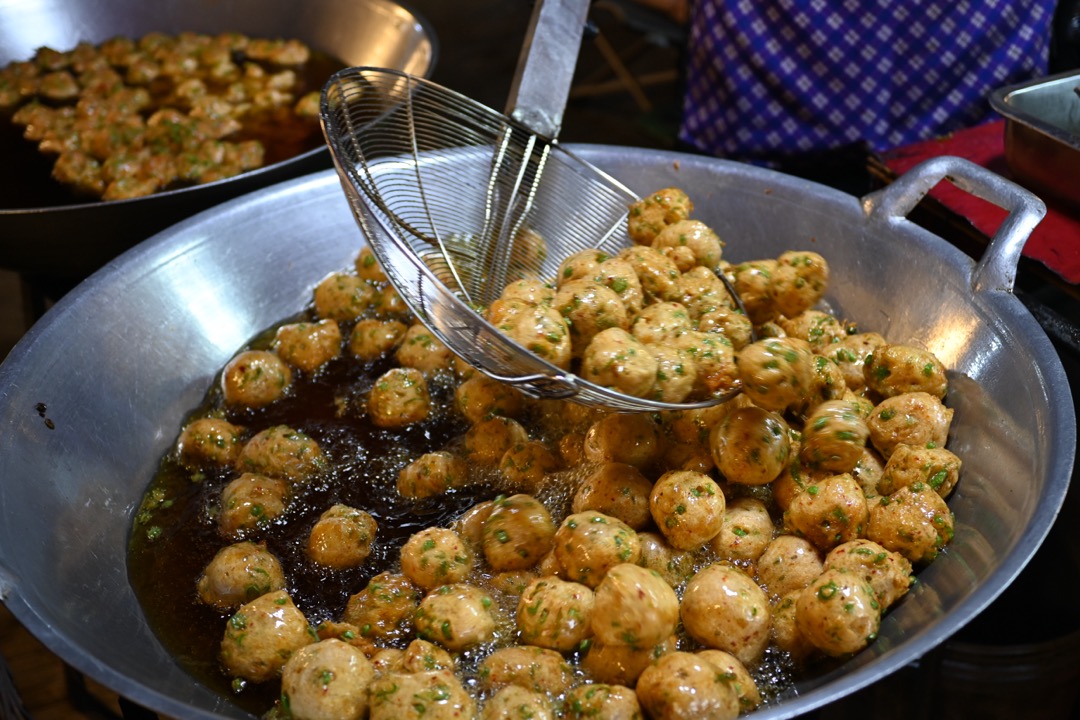
A wok is used for stir-frying, deep-frying, steaming, braising, boiling and blanching, smoking, dry-frying and toasting. One piece of geometry covers all of it: a small, very hot base under a wide, much cooler flare. Fill that bowl with a little oil, a lot of oil, water, or nothing at all, and you get a different job each time.
I ran a restaurant group’s test kitchen for four years, and the first thing I learned about a wok station is how little of its day is spent stir-frying. The wok range is also the fryer, the steamer, and the pot that blanches greens before service. In a home kitchen the same pan can cover most of what a fryer, a steamer basket and a pasta pot do, and very few people use it that way.
This page is the catalogue of those jobs, with the rules that go with each one. The stir-fry itself, with batch sizes, timings and cook order, has its own operating manual in how to use a wok. Getting a new wok ready is in how to season a wok, and the after-dinner routine is in how to clean a wok. If you are deciding whether you need a wok at all, the shape-against-shape argument is in wok vs skillet.
The Jobs at a Glance
The column most people never think about is the fourth one. On carbon steel, every job either adds to the seasoning, leaves it alone, or wears it down, and that should decide what order you cook things in during the first month.
| Job | Heat | Oil or water | Effect on carbon steel seasoning | Works on a flat electric or induction top? |
|---|---|---|---|---|
| Stir-frying | Highest the burner gives | 1 to 2 tablespoons of oil | Builds | Partly. Flat-bottom wok, no tossing, closer to a hot sauté |
| Deep-frying | Oil held at 350–375°F | 1.5 to 2 inches of oil | Builds | Yes, with a flat-bottom wok |
| Steaming | Steady boil | Water kept below the basket | Wears, especially on a new wok | Yes |
| Braising and simmering | Medium, then high to glaze | Sauce part way up the food | Neutral if short, wears if long or acidic | Yes |
| Boiling and blanching | High | Several quarts of water | Wears slightly | Yes |
| Smoking | Medium, then off | None, dry over a foil lining | Neutral when foil-lined | Yes with care. Keep foil off glass |
| Dry-frying and toasting | Medium to medium-high | None, or a thin film of oil | Neutral to builds | Yes |
| Pan-frying dumplings and eggs | Medium | Thin film of oil, sometimes a splash of water | Neutral | Yes |
Read down the seasoning column and a sensible order for a new wok falls out of it. Fry and stir-fry first, a lot, because oil at high heat is what lays down the patina. Hold off on steaming and boiling until the surface has darkened, which on most woks takes a few weeks of regular use.
Stir-Frying
This is the job the shape was built around, and it gets one short section here because it already has a full guide. The searing base browns food in seconds while the cooler wall gives you somewhere to park what is already cooked, so you can build a dish with five components in one pan without anything waiting on a plate. The toss, the steam that rises and recondenses on the upper walls, and the oil mist that produces the smoky character everyone chases are all functions of that curve. The mechanism behind that smokiness is in wok hei.
The batch sizes, the hot-wok-cold-oil rule, the cook order and what to change on a weak burner are all in how to use a wok. Everything below is the rest of what the pan does.
Deep-Frying, the Wok’s Best Second Job
If I could only keep one non-stir-fry use, it would be this one. Most home cooks who fry use a Dutch oven or a heavy pot, and a wok does the job with less oil, less mess on the stovetop, and more room to move food around.
The Oil Question, Settled
You will find guides saying a wok uses less oil than a pot and others saying it uses more. Both are describing real geometry at different fill levels.
A wok narrows toward the bottom, so the first inch or two of oil sits in the smallest part of the bowl. As you fill higher, the flare widens quickly, and every additional inch holds more oil than the one below it. Fill a wok deep and it can hold as much as a straight-walled pot, or more. Keep the pool shallow and it holds much less.
The saving comes from the second half of that. Because the surface is wide, food spreads out instead of stacking, and floating foods such as doughnuts, tempura and fritters can fry in a shallower pool than they would need in a narrow pot. America’s Test Kitchen reported using about 30 percent less oil in a wok than in a Dutch oven for exactly this reason, and Serious Eats has repeated the figure. So the practical rule is to fry shallow and turn the food, rather than filling the wok and floating it.
A Working Setup
- Depth: about 1.5 to 2 inches of oil. That covers most fried food you would cook at home if you turn it once.
- Fill line: never more than about halfway up the sides. Wet food going in makes the surface rise and bubble, and you want that headroom.
- Quantity: for a 14-inch wok, roughly 6 to 8 cups for 2 inches of depth. A round-bottom wok sits at the low end and a flat-bottom wok at the high end. These are approximations from the shape, so check your own pan by measuring water into it before the first fry.
- Temperature: 350 to 375°F for most foods, a little lower for thick pieces that need time to cook through.
- Oil: a refined oil with a high smoke point, such as peanut, rice bran or canola. Our oil smoke point chart lists where each one gives up.
Stability matters more here than anywhere else in this list, because the pan is full of very hot liquid at chest height. Use a flat-bottom wok, or a round-bottom wok in a ring that does not let it rock when you push the rim. If it moves at all, do not fry in it.
Use a thermometer. Clip-on fry thermometers rarely grip a sloped wall well, so a long-stemmed probe or an instant-read thermometer you dip in between batches works better. Thin carbon steel loses temperature fast when cold food goes in and recovers fast once the burner catches up, so fry in small batches and let the oil come back between them. On a weak burner, the extra mass of a cast iron wok slows that drop considerably, at the cost of a pan that weighs a good deal more.
The flare also catches most of the spatter that a pot would throw onto the stove. A wire spider is the classic tool for lifting food out. For larger pieces such as chicken, a long pair of tongs gives you more control and keeps your hand well away from the oil. Drain on a rack over a tray rather than on paper, so the bottom stays crisp.
Two safety rules I enforce in any kitchen. Dry the food before it goes in, because water hitting hot oil throws it. And keep the wok lid within reach. If the oil ever catches, turn off the heat and slide the lid on. Never use water.
Frying is also kind to carbon steel. Hot oil is what builds seasoning, and a few fry sessions on a new wok will do more for the patina than weeks of careful wiping.
Steaming
A wok makes a better steamer than most dedicated steamers because of the flare. A bamboo basket set into the bowl wedges against the sloping wall at a height that leaves room for water underneath, and a 14-inch wok takes a 10 to 12-inch basket, which holds a whole fish or a full tier of dumplings. Stack two or three tiers and you are cooking a meal at once.
The setup:
- Pour in water to a level below the bottom of the basket. The water should not touch it. If it does, the bottom tier boils instead of steams and the bamboo soaks through.
- Bring the water to a full boil before the basket goes in, so the food starts cooking immediately.
- Line the basket with parchment, cabbage or lettuce leaves, so dumplings and fish do not stick to the slats.
- Keep a kettle hot and top up with boiling water when the level drops. Cold water stops the steam and stalls the cook.
The bamboo lid is part of why this works. It lets steam escape slowly and absorbs condensation, so water does not drip back onto the food the way it does under a domed metal lid.
Without a steamer, set a small metal rack or trivet in the base, or roll three balls of foil and rest a heatproof plate on them. Put the food on the plate, water below it, and cover with the wok lid. The plate gets very hot and carries a pool of juices, so lift it out with a plate gripper or a folded dry towel.
Steaming is hard on a fresh seasoning. An hour of steam softens a young patina and can leave the base patchy. Dry the wok on the burner straight afterward and wipe on a thin film of oil. On a brand new wok, wait until the surface has darkened before you steam in it, or keep a cheap stainless wok for this job.
Wok Braising and Simmering
A wok braise is a fast, hard simmer measured in minutes. Fry the aromatics and the main ingredient, add soy, sugar, wine and a little stock, cover, and simmer until it is cooked, then take the lid off and turn the heat up so the liquid reduces to a glaze around the food as you move it.
The dishes this suits are the quick ones. Mapo tofu simmers for a few minutes. Fish-fragrant eggplant braises in a short simmer after the eggplant is fried. Red-braised fish and red-braised tofu take ten to twenty minutes. A whole cut-up chicken in a quick braise is a good wok job too, because nothing else on the stove holds that much in a single layer.
Red-braised pork belly is the exception people expect to fit. Most recipes simmer it for an hour or more, and at that point I would move it to a heavy pot or a clay pot. The thin base of a wok runs too hot at the bottom for a long bare simmer, the domed lid leaves a lot of air over the liquid, and an hour of liquid in carbon steel is more than the seasoning wants.
Boiling and Blanching
The wok is my default pan for blanching on a busy night, because it lets one pan do two jobs back to back. Boil water in the wok, blanch the greens or broccoli for thirty to ninety seconds, tip them into a colander to drain, then put the empty wok back on the burner. It dries in under a minute, and you can stir-fry those vegetables in the same pan without washing anything.
Noodles work the same way. Cook fresh or dried noodles in the wok, drain and rinse them, dry the pan on the burner, then fry them with the rest of the dish. Blanching hard vegetables first is also the single best fix for a weak stove, because it takes the long cooking time off the stir-fry, which is covered in the weak-burner section of how to use a wok.
Drain properly. Vegetables or noodles that go back into the wok carrying surface water cool the pan and steam instead of searing. Give them a couple of minutes in the colander.
A few minutes of boiling water does little to a mature seasoning. It wears a young one, so dry and oil the wok afterward, the same as after steaming.
Smoking and Tea-Smoking
Tea-smoking is the use most people have never tried, and it turns a wok into a stovetop smoker in about twenty minutes. The classic dish is Sichuan tea-smoked duck. At home it works best on things that cook quickly or are already cooked: salmon fillets, chicken thighs that have been steamed first, peeled soft-boiled eggs, firm tofu.
How I set it up:
- Line the wok with two layers of heavy-duty foil, with enough overhang to fold over the lid later.
- In the centre, put the smoking mix. A good starting point is equal parts uncooked rice and loose black tea, a few tablespoons of each, plus a spoon of brown sugar. Star anise or dried orange peel are common additions. Treat this as a starting ratio to adjust, not a fixed formula.
- Set a round rack about 3 inches above the mix, and put the food on it.
- Put the lid on and fold the foil overhang up over its edge to seal the gap.
- Heat on medium-high until the first wisps of smoke appear, then turn it to medium for about 10 minutes.
- Turn off the heat and leave it sealed for another 10 minutes or so before you open it.
Watch the smoke. Thin, pale smoke is what you want. Thick yellow smoke with a sharp, acrid smell means the sugar is burning too hot, and the food will taste bitter. Turn the heat down.
The safety rules are firm. Run the hood on high and open a window. Open the lid under the hood or outside, because the smoke comes out all at once. Never leave the wok unattended. And never smoke in a nonstick wok. Heating a coated pan dry for that long takes the coating far past its safe limit.
Gas is the easiest stove for this. On a glass ceramic top, use a flat-bottom wok and keep the foil overhang well away from the glass, because foil left touching a hot glass surface can fuse to it. With the foil lining in place the wok itself barely knows this happened, and you can lift the whole mess out and throw it away.
Dry-Frying, Toasting and Pan-Frying
Dry-frying is a Sichuan technique, and Sichuan dry-fried green beans are the dish to learn it on. The beans go into a small amount of oil over medium-high heat and cook, moving, until they blister and wrinkle, then the aromatics, chilli and a little minced pork go in at the end. The wok suits it because the beans can shuffle between the hot base and the cooler walls as each batch catches.
Toasting spices, nuts and sesame seeds is the easiest job a wok does. Put them in a dry wok over medium heat and keep them moving with a flick of the wrist. The curve keeps everything circulating and nothing escapes over the high sides. Whole spices are ready when they are fragrant, usually within a couple of minutes. Sesame seeds burn fast, so take them off the heat the moment they turn golden.
Pan-frying works in the flat base only. Potstickers are the good example: oil in the base, dumplings in a single layer, fry until the bottoms brown, add a splash of water, lid on, and let it cook off. A flat-bottom wok holds a modest batch in its base. A round-bottom wok holds fewer, and any dumpling that slides up the slope will not brown. Fried eggs work for the same reason, one or two at a time, though they will cup into the curve.
A Few Surprising Extras
Popcorn
A wok with a lid is one of the better popcorn pans in a kitchen. The unpopped kernels slide back into the hot base, and the popped corn rides up the cooler walls, where it is far less likely to scorch. A couple of tablespoons of oil and a lid are all it needs.
One-Pan Noodles
Boil the noodles, drain them, then fry them in the same pan with everything else. Lo mein and chow mein are almost designed around this.
Soup, in a Pinch
Egg drop soup or a quick broth with greens and dumplings is fine in a wok. Long-simmered stock is not, for the same reasons as a long braise.
What a Wok Is Bad At
A wok does a great deal, and the list of what it should not do is short and specific.
Long Acidic Simmers in Bare Carbon Steel
A minute or two of acid is fine. Tomato and egg, a splash of black vinegar at the end, sweet and sour sauce glazed onto fried pork: none of these harm a seasoned wok. Twenty minutes or more of simmering tomato, vinegar or wine strips patches of seasoning, can give the food a metallic edge, and leaves thin spots that rust. Do that cooking in stainless steel or enamelled cast iron.
Slow Western Braises and Oven Work
A three-hour braise wants a heavy, even base, a lid that sits close to the liquid, and usually an oven. Most woks sold for home use have a wooden or phenolic handle, and a 14-inch rim with a long handle attached will not clear most oven racks anyway.
Wide, Flat Searing
Steaks, chops, pancakes, crepes and round fried eggs all need a wide flat floor. The flat base of even a flat-bottom wok is only a few inches across, so a steak browns in the middle and stays grey where it lifts off the curve. For flat-bottom searing and pan sauces built on fond, a sauté pan is the right tool. For big batches that need a lot of flat surface, such as pancakes for six or a tray’s worth of fried eggs, an electric skillet does it in one go.
Nonstick Woks at Full Heat
Nonstick coatings are not made for the temperatures stir-frying uses, and an empty nonstick wok preheated on high goes past them quickly. A nonstick wok is fine for gentle sautés, steaming and braising. It is the wrong pan for a hard stir-fry and must never be used for dry smoking.
Deep-Frying in a Shallow or Unstable Wok
A small or shallow wok cannot hold enough oil with safe headroom, and a round bottom on a bare grate can tip. If the pan rocks when you push the rim, or the oil would sit within an inch or two of the top, fry in a heavy pot instead.
Which Jobs Depend on Your Stove and Wok
The good news for anyone without a gas range is that most of this list does not care about the stove. Steaming, boiling, blanching, braising and deep-frying are all about heating a body of liquid, and a flat electric coil, a glass ceramic top or an induction hob does that well with a flat-bottom wok. Induction is actually very good at holding a frying temperature steady once the oil is up to heat.
Stir-frying and smoking are the two that depend on the stove. Stir-frying needs heat climbing the walls, which only a flame provides, and on induction the heat stops the moment you lift the pan. Smoking works anywhere but is simplest on gas, and on glass you have to manage the foil.
The shape of the base decides the rest:
- A round bottom is best on gas with a ring, best for tossing, and less stable for frying. Not usable on a flat electric or induction top.
- A flat bottom works on every stove, sits steady for frying and steaming, and gives up a little of the curve. The right default for most home kitchens.
Our wok roundup goes through gauge, diameter and flat versus round bottom in detail. If your burner is weak and you fry often, a cast iron wok holds its heat through each batch far better than thin steel. And if you cook on glass or induction and want the stir-fry back, an electric wok puts the heat around the bowl instead of under a small disc of it.
The Short Version
- A wok stir-fries, deep-fries, steams, braises, boils and blanches, smokes, dry-fries and toasts. The hot base and cool flare are what make each of those work.
- Deep-fry in 1.5 to 2 inches of oil at 350 to 375°F, never past halfway up the sides, in a wok that cannot rock. Fry shallow and turn the food, which is where the oil saving comes from.
- Steam with the water below the basket, boiling before the food goes in, topped up from a hot kettle.
- Braise fast. Dishes that simmer for an hour or more belong in a heavy pot.
- Blanch, drain in a colander, dry the wok on the burner, then stir-fry in the same pan.
- Tea-smoke over a sealed foil lining with the hood running, and never in a nonstick wok.
- Oil-heavy jobs build seasoning. Water jobs and long acidic simmers wear it. On a new wok, fry first and steam later.
- On a flat electric or induction top, use a flat-bottom wok. Everything except a true stir-fry carries over with very little lost.
Most kitchens use a wok for one job out of eight. Try frying in it next, then steaming, and it will earn the space it takes on the stove.
Frequently Asked Questions
What is a wok best used for?
Can you deep-fry in a wok, and how much oil do you need?
How do you steam in a wok without a steamer?
Can you cook tomatoes or vinegar in a carbon steel wok?
Can you use a wok on an electric or induction stove?
Related Articles
About the Reviewer
Nora Whitfield, CIA Culinary Arts, ServSafe Certified
A.O.S. Culinary Arts, The Culinary Institute of America
Nora Whitfield trained at the Culinary Institute of America and spent twelve years in professional kitchens, the last four running the test kitchen for a regional restaurant group where her job was to decide which equipment could survive a dinner service and which could not. She has seasoned more carbon-steel woks than she can count, boiled water in every kettle worth owning, and broken enough cheap gear to know exactly where manufacturers cut corners. She reviews kitchen equipment the way she specified it professionally: cook on it, clean it, and see what it looks like after a month.