Celery Juice Recipes for a Juicer: 9 Ratios That Work
Nine celery juice recipes with weighed ratios, plus the prep that actually decides your yield: chilling, the leaves question, chop length and the foam.
Updated
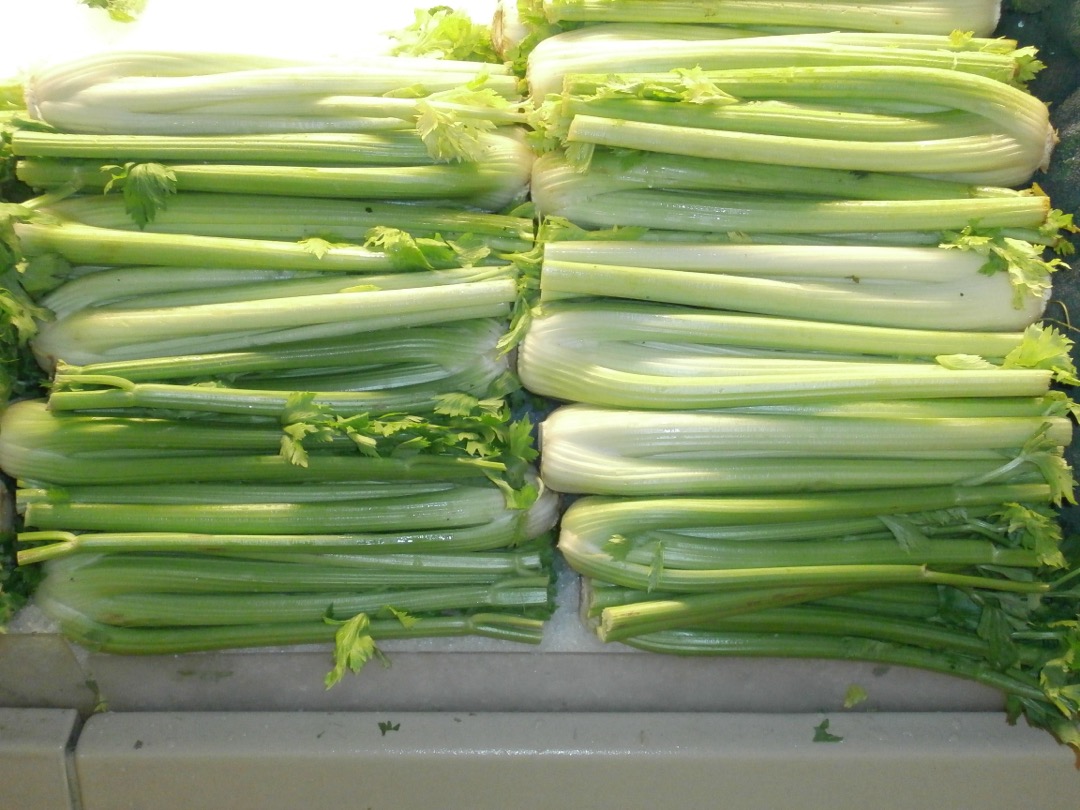
Most people looking for celery juice recipes want two things: a ratio that works, and something that makes the stuff taste better than it does on its own. This covers both, with weights rather than vague handfuls, because celery juice is one of the few drinks where the shopping list is the hard part.
I ran a restaurant group’s test kitchen for four years and juiced a great deal of celery in it. What I learned is that almost everything that decides whether your morning goes well happens before the juice exists. How you cut the stalks, whether you kept the leaves, and how cold the celery was when it went in matter more than which of the recipes below you picked.
Recipe 1: Plain Celery Juice, the Base
- 1.5 lb celery, about 17 medium stalks or 11 large ones, which is one generous supermarket bunch
- Optional: half a lemon, peeled
Yield: about 16 fl oz on a slow auger machine, closer to 12 on a fast centrifugal one.
This is the recipe most people actually came for, and the ratio is really just an answer to the question of how much celery a glass costs you. About a pound and a half per 16 oz glass on an auger, more on a centrifugal machine, which works out to roughly a bunch a day if you drink it daily. The full extraction table by glass size and machine type is in our guide to celery juicers, and it is worth reading before you commit to a routine, because the grocery bill is the thing people underestimate.
The taste is worth naming honestly. Plain celery juice is savoury and faintly saline rather than sweet, with a green, slightly bitter tail. That saltiness is real and it is measurable. Celery carries 80 mg of sodium per 100 g, which is high for a vegetable, and most of it is dissolved in the water you are extracting, so a large share of it lands in the glass. Work it from the input weight and the 640 g of celery behind a 16 oz glass carries roughly 510 mg of sodium. That is a calculation from what went in rather than an assay of what came out, so treat it as an upper bound, but it explains the flavour better than anything else does.
The half lemon is optional and it does two jobs: the citric acid lifts a flat drink, and the ascorbic acid slows the dulling that starts the moment air hits the juice.
Prep That Decides Whether Any of This Works
Wash the stalks properly first. Celery grows in sandy soil and grit collects in the concave face and at the base where the ribs join, so separate the ribs, run water down the inside of each one, and drain them upright in a colander rather than leaving them in a wet pile. Trim the tough base and any brown or hollow sections.
Chill the celery before you juice it, but understand what that does. One brand blog will tell you chilled celery juices best and leave it there. The reason is turgor. A crisp stalk is crisp because its cells are full of water pressing outward against their walls, and a limp stalk has lost some of that water to evaporation. Twenty to thirty minutes in ice water lets the cells reabsorb it and firm the stalks back up, which puts more free liquid in front of the auger. Wilted celery genuinely gives less juice. What this does not do is improve celery that was already crisp when you bought it. It revives a tired bunch, and that is a real and useful thing, but it is not a yield trick.
The leaves. Half the recipes online tell you to strip them because they make the juice bitter, and the other half tell you to juice them for extra yield. Both are describing the same fact from different sides. The leaves carry most of the plant’s aromatic and slightly bitter character, and they weigh almost nothing, so they contribute a lot of flavour and very little volume. My recommendation: strip the leaves for any recipe you want to drink plain or lightly sweetened, and keep them for the savoury tomato version at the end, where that green bitterness is exactly what you want. If you are unsure, juice half of them.
Chop length depends on your machine, and nobody tells you this. A narrow vertical masticating chute wants 1 to 2 inch pieces cut across the fibre, because short strands cannot wind onto the auger shaft. A wide centrifugal chute will take a whole stalk, and that is precisely the problem: those long parallel fibres are what wrap and mat the spinning basket. Cut them down anyway. Our celery juicer guide covers why celery clogs and how to stop it in full, including which feed geometries take stalks whole.
Feed order. Alternate soft with hard. A piece of apple or carrot behind a run of celery pushes the matted pulp through ahead of it and keeps the screen clear.
Recipe 2: Celery and Green Apple with Lemon
- 1 lb celery, about 11 medium stalks or 7 large
- 1 green apple, about 180 g, cored and quartered
- Half a lemon, peeled
Yield: about 14 fl oz.
This is the standard flavour fix and the first thing to try if plain celery juice is not going down. Apple is 83.61 g water per 100 g against celery’s 95.43, so it is a denser, sweeter liquid and it gives the drink body as well as sugar. Use a Granny Smith rather than a Gala: its malic acid keeps the result tart instead of turning it into cordial, and the acidity balances celery’s saline edge rather than burying it. The lemon does more than flavour here, since apple flesh browns fast once it is cut and the ascorbic acid in lemon juice, 38.7 mg per 100 g, slows that visibly in the jug.
Recipe 3: Celery, Cucumber, Apple, Lemon and Ginger
- 12 oz celery, 8 to 9 medium stalks
- Half a large cucumber, about 200 g
- 1 green apple, about 180 g
- Half a lemon, peeled
- 1 inch fresh ginger, about 15 g
Yield: about 18 fl oz.
The full works green juice, and every ingredient is doing a distinct job. Cucumber is the most watery thing in the produce aisle at 96.73 g water per 100 g peeled, so it dilutes the sodium and softens the herbal edge without adding sugar. Apple brings the sweetness and the body. Lemon lifts. Ginger is the one people underrate: its pungency is a chemical irritation on the palate rather than a taste, and it sits right on top of celery’s vegetal tail and covers it. Fifteen grams is enough. Ginger is fibrous and dense and is the single hardest common ingredient on a juicer, so if you plan to use it daily, our guide to juicers for ginger covers which machines handle it without stalling.
Recipe 4: Celery, Cucumber and Mint
- 1 lb celery, about 11 medium stalks
- 1 whole English cucumber, about 300 g
- 10 to 12 mint leaves
Yield: about 18 fl oz.
The hydration one, and the lightest drink here. With two high-water ingredients and no fruit, this is close to salted cucumber water with a green backbone, which is a much better thing than it sounds on a hot afternoon. Mint is the interesting part. Menthol triggers the cold receptors on your tongue, so the drink reads as several degrees colder than it is, and that perceived chill is doing most of the work. Mint leaves are also almost impossible to juice on their own, because they are light enough to ride over an auger without being caught. Wrap them inside a celery stalk or sandwich them between cucumber chunks so something solid carries them down.
Recipe 5: Celery, Lemon and Ginger
- 1.25 lb celery, about 14 medium stalks or 9 large
- 1 whole lemon, peeled
- 1 to 1.5 inches ginger, 15 to 20 g
Yield: about 15 fl oz.
For people who want celery juice to taste like something without adding sugar to it. Acid and heat instead of sweetness. This is a sharper, more bracing drink than anything with apple in it, and it is the one I make when I want it to wake me up rather than go down easily. Peel the lemon rather than juicing it whole, because the white pith is genuinely bitter and a juicer will extract it thoroughly. If you find yourself doing a lot of citrus, a press does a cleaner job on lemons and limes than any auger will, and our hand press juicer guide covers that end of the category.
Recipe 6: Celery, Carrot, Orange and Turmeric
- 12 oz celery, 8 to 9 medium stalks
- 3 medium carrots, about 180 g
- 2 oranges, peeled, about 300 g
- 1 inch fresh turmeric, about 10 g, optional
Yield: about 16 fl oz.
The first recipe here that stops looking like a green juice, and that matters more than it should. Carrot and orange between them turn the glass a deep amber, and a drink that does not look like liquid lawn is an easier sell to anyone you are making it for. Carrot brings sugar and a rounded earthy sweetness that sits under the orange rather than competing with it, and orange contributes both sugar and acid at once, which is why it needs no lemon. Turmeric is optional because it is polarising: it is genuinely bitter and resinous, and a little goes a long way. It will also stain a plastic hopper permanently within about three uses. If that bothers you, our stainless steel juicer roundup covers the machines that do not discolour.
Recipe 7: Celery, Beet, Carrot and Apple
- 10 oz celery, about 7 medium stalks
- 1 medium beet, about 130 g, peeled and quartered
- 2 carrots, about 120 g
- 1 apple, about 180 g
- Half a lemon, optional
Yield: about 15 fl oz.
The root vegetable one, and the most polarising drink on this list. Beet is intensely sweet and carries a distinct earthy note that comes from geosmin, the same compound that makes rain on dry soil smell the way it does. Some people love it and some find it tastes like the garden. Start with half a beet if you have not had it before, because it dominates both the flavour and the colour instantly. The lemon is there for a reason beyond taste: betalain, the pigment that makes beet juice that violent magenta, holds its colour better in acid and dulls toward brown without it. Beet and carrot are both dense and hard, so feed them alternately with the celery rather than all at once, which keeps the auger clearing itself.
Recipe 8: Celery, Pineapple and Lime
- 10 oz celery, about 7 medium stalks
- 2 cups fresh pineapple, about 330 g
- 1 lime, peeled
- A few mint leaves, optional
Yield: about 15 fl oz.
If you genuinely dislike the taste of celery, this is the recipe that hides it best. Pineapple is unusual in being high in sugar and high in acid at the same time, and that combination covers celery’s savoury note more completely than apple can, because apple only brings one of the two. Use fresh pineapple rather than canned, which is packed in syrup and will make the drink cloying. Lime rather than lemon, purely because its aromatics belong with the pineapple. One warning: pineapple foams more than anything else here, so if you are on a centrifugal machine expect a substantial head on the glass and read the next section before you pour.
Recipe 9: Savoury Celery, Tomato and Pepper
- 8 oz celery, 5 to 6 medium stalks, leaves left on
- 1 lb ripe tomatoes, about 454 g
- 1 red bell pepper, about 150 g, seeded
- Half a jalapeño, seeds removed
- Half a lemon, a pinch of salt, black pepper
Yield: about 16 fl oz.
The only recipe here that works with celery’s salinity instead of against it, and a very good Bloody Mary base whether or not anything goes in it afterwards. Tomatoes are rich in free glutamate, which is straightforward savoury depth, and celery’s own sodium amplifies that the way a pinch of salt does in any dish. Red pepper adds sweetness and a fuller body than tomato alone gives. The jalapeño is heat rather than flavour, so take the seeds and the white ribs out unless you want it fierce. This is the one recipe where I keep the celery leaves in, because their bitterness reads as complexity in a savoury drink rather than as a fault. Season at the end, taste, and adjust.
The Foam Nobody Mentions
Pour celery juice out of a centrifugal machine and you get a pale green foam cap on top, sometimes a third of the glass. No recipe post I have read explains it.
The foam is just juice with air beaten into it. A centrifugal juicer grates produce against a disc spinning at high speed inside a basket, and that action whips air into the liquid on its way out. It is not scum and it is not a sign anything went wrong. It is perfectly drinkable. The reason to deal with it is that a foam has an enormous surface area of juice in contact with oxygen, which is exactly the condition that dulls the colour and flattens the flavour fastest. Let the glass stand for a minute and most of it will collapse on its own, then skim what is left with a spoon or pour it off. A slow auger produces almost none of it, which is one more small argument for that mechanism if you are still choosing.
What to Do with the Pulp
The usual advice is to save it for muffins or veggie burgers, then nothing about how to store it, which is the part that matters. Raw celery pulp is a high-moisture raw produce by-product sitting at room temperature in an open bin while you drink your juice. It is exactly the sort of thing that goes off quickly.
The rule I would give any cook on my line: get it into a shallow covered container and into the fridge straight away, and use it within 24 hours. Spread thin in a shallow container rather than packed into a deep one, because a dense wet mass cools slowly through the middle. If you are not going to use it the same day, freeze it flat in a bag on the day you made it and it keeps for months.
Two uses that are genuinely worth the trouble. The first is stock: celery pulp is already one third of a mirepoix, so freeze it flat alongside your onion and carrot trimmings and add the sheet straight to the pot. Nothing is lost by the pulp having been pressed, because you were going to extract it in water anyway. The second is as a savoury bulker, folded into meatballs, fritters, a bolognese or a stuffing, where it adds moisture and fibre without adding much flavour of its own. What it is not good for is anything sweet: celery pulp in a muffin tastes like celery in a muffin.
If You Do Not Own a Juicer
You can make any of these in a blender and strain the result, and the drink is honestly fine. Chop the celery into 1 inch pieces, add roughly half a cup of water per pound to give the blades something to move, run it for 45 to 60 seconds, and pour it through a nut milk bag or a fine sieve lined with muslin, squeezing rather than just letting it drip.
Two differences to expect. Yield is lower than a good auger because you cannot press as hard by hand, and the juice comes out slightly warm because a blender puts real energy into the food. Celery is also a loud thing to blend, since dry hard pieces knock around the jar before they break down, so a machine with decent sound insulation is worth having if this becomes a morning habit. Our quiet blender roundup covers that, and if you want a jar that does not scratch or hold odours from repeated celery and ginger duty, the glass jar blenders are the ones that hold up.
What Celery Juice Does and Does Not Do
I am a chef, not a clinician, so I will be brief and stick to what is actually established.
What holds up: celery is a little over 95 percent water and carries 14 calories per 100 g, so celery juice is a genuinely hydrating, very low sugar drink. It supplies real vitamin K, vitamin C, potassium and folate, along with the flavonoids apigenin and luteolin. That is a decent nutritional profile for something with almost no sugar in it.
What does not hold up, and gets repeated constantly: the undiscovered cluster salts described in the Medical Medium material have no evidence that they exist at all. Celery juice does not cure or reverse chronic illness, autoimmune disease or cancer. It does not detox, flush toxins or cleanse the liver or colon, because your liver and kidneys already do that job continuously and do not need help from a vegetable. And there is no evidence behind the rule that it only works plain, on an empty stomach, at exactly 16 oz. Drink it when you like, with an apple in it if you prefer.
The research that does exist mostly does not transfer to a glass of homemade juice. The anti-inflammatory work on apigenin and luteolin is animal and in vitro rather than humans at drinking doses. The blood pressure studies used whole chopped celery or concentrated celery seed and leaf extracts, not juice, so neither the form nor the dose carries over. The blood sugar work used leaf extract in capsules. Juicing also strips out essentially all of the fibre, which is the one thing dietitians consistently flag as a real downside against just eating the stalk, and some people get bloating, gas or a mild laxative effect from a large glass.
One caution the recipe posts never give you. Celery carries 29.3 µg of vitamin K per 100 g. The roughly 640 g of celery behind a 16 oz glass therefore carries about 190 µg, against an adult Adequate Intake of 120 µg a day for men and 90 for women. That is a calculation from the input weight rather than a lab measurement of the glass, but even allowing for losses to the pulp, one glass clears a full day’s intake comfortably. Vitamin K interacts with warfarin and similar anticoagulants, so if you take a blood thinner, keeping vitamin K intake consistent matters and adding a daily glass is worth raising with whoever manages your dosing first. That is general information, not medical advice.
One last thing worth knowing, because it is the other half of why the juice tastes savoury. Alongside the sodium, celery is genuinely high in nitrate, to the point that dried celery powder, at roughly 3 percent nitrate, is the standard curing agent behind supermarket bacon and hot dogs labelled as having no nitrates added. It is the same chemistry as a curing salt, sourced from a vegetable. Not a health warning, just the reason a glass of celery juice tastes closer to a light broth than to a fruit juice.
One point for anyone cooking for others: celery is a declarable allergen in the UK and EU under Annex II of Regulation (EU) No 1169/2011, though it is not one of the major allergens in the US. Real celery allergy exists and it is not rare in Europe, so it is worth asking before you hand someone a glass.
Where to Start
If you are new to this, make recipe 2 rather than recipe 1. Celery with a green apple and half a lemon is close enough to plain celery juice to be the same drink, and pleasant enough that you will make it again, which is the only thing that matters in the first fortnight. Work back toward plain from there if you want to.
And whichever you land on, chop across the fibre, keep the stalks cold and crisp, and rinse the screen before you sit down with the glass.
Frequently Asked Questions
What's the best way to juice celery so it doesn't clog my juicer?
How much juice does one bunch of celery actually yield?
What can I mix with celery juice, and is it true you shouldn't add anything?
How long does fresh celery juice last in the fridge?
Is celery juice actually healthy, or is it hype?
Related Articles
About the Reviewer

Nora Whitfield, CIA Culinary Arts, ServSafe Certified
A.O.S. Culinary Arts, The Culinary Institute of America
Nora Whitfield trained at the Culinary Institute of America and spent twelve years in professional kitchens, the last four running the test kitchen for a regional restaurant group where her job was to decide which equipment could survive a dinner service and which could not. She has seasoned more carbon-steel woks than she can count, boiled water in every kettle worth owning, and broken enough cheap gear to know exactly where manufacturers cut corners. She reviews kitchen equipment the way she specified it professionally: cook on it, clean it, and see what it looks like after a month.