Can You Use Cast Iron on a Glass Top Stove?
Yes, with real rules. Cast iron is softer than the glass it sits on, so the grit underneath is what scratches. A chef on weight limits, heat limiters, and lifting.
Updated
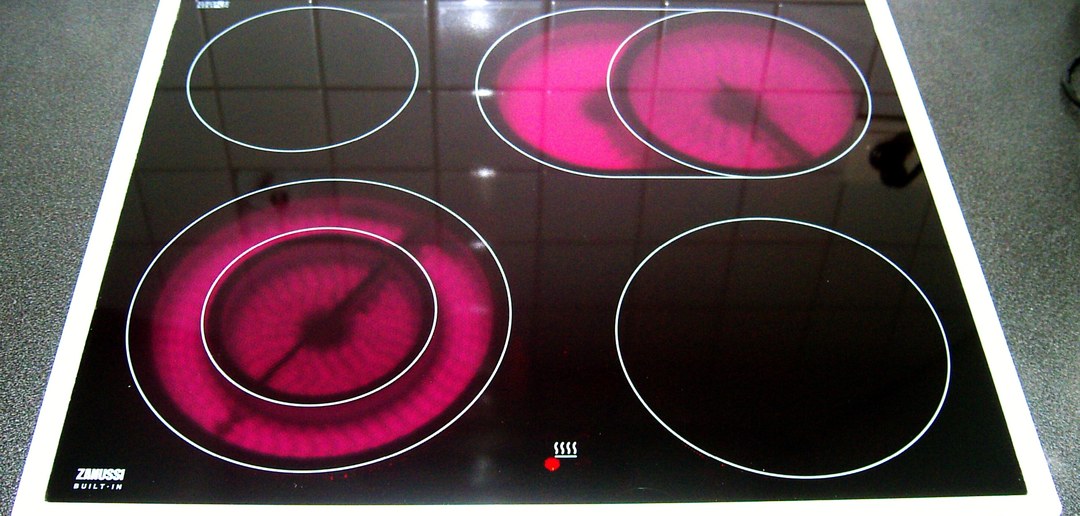
Yes, with rules that matter more than the internet’s general anxiety about it suggests. Cast iron is fine on a ceramic glass cooktop. The pans that break these surfaces are the ones that get dropped, dragged, or left roaring on the top setting for half an hour, and all three of those are habits rather than properties of the metal.
This is worth getting right because the advice online is both alarmist and wrong about the mechanism. The most repeated claim, that cast iron scratches glass because iron is harder than glass, is backwards. It is not.
I ran a restaurant group’s test kitchen for four years, though I will be straightforward that a commercial kitchen is gas and induction rather than radiant electric. What made me look properly at this is a domestic smooth-top at home and the same cast iron I have always cooked on.
A note on scope before anything else. This guide is about the physical glass surface, which means it applies to any ceramic glass cooktop, radiant electric or induction. The separate question of whether cast iron actually heats on an induction hob, and how it behaves when it does, is a different subject and we cover it in does cast iron work on induction. Everything below about scratching, weight and cleaning is true for both.
The Hardness Thing, Because Everyone Has It Backwards
Cast iron sits at roughly 4 on the Mohs hardness scale. The glass-ceramic used for cooktop surfaces is generally put at somewhere between 6.5 and 7.
Read that again, because it inverts the standard warning. Your pan is considerably softer than your cooktop. A smooth cast iron base pressed against clean glass physically cannot cut it, any more than a copper coin can scratch a quartz counter.
So what actually causes the scratches people genuinely do get? Three things, and none of them is the iron itself.
Trapped grit. This is the big one. A grain of sand, spilled salt, dried food, a fleck of ceramic dust, a bit of flour from the counter. Quartz sits at about 7 on the same scale, which makes a single trapped grain harder than the cooktop, and it gets dragged across the surface under several kilograms of load. That is a cutting tool.
A burr, a seam or a chip. The bulk hardness of the iron stops mattering when the contact area collapses to a single point, because the force per unit area goes up enormously. GE’s own guidance says exactly this, that cast iron is not recommended if the cookware has a burr or rough spot.
Metal marking, which is not a scratch at all. A soft metal base can leave a thin smear of metal on the glass that looks like a grey line and is in fact removable residue. Frigidaire makes this distinction in its own consumer material for aluminium cookware. It is worth knowing because the first “scratch” people panic about is often not one, and a proper cooktop cream will take it off.
The instruction that falls out of this is different in emphasis from the usual one. Do not be afraid of the pan. Be disciplined about the surface underneath it: wipe the glass before the pan goes down, check the base for burrs, and lift instead of sliding. Sliding is what turns a stray grain of salt into a permanent line.
What the Manufacturers Actually Say
Nobody in the top search results for this question cites a single cooktop manual, so here is what the brands themselves publish.
| Brand | Position |
|---|---|
| GE | Permits, but not if the pan has a burr or rough spot. Enameled cast iron is fine if it is completely covered in porcelain enamel. |
| Whirlpool | Permits directly, stating cast iron can be used on a ceramic glass top without damaging the surface or the pan, provided you avoid sliding it. |
| KitchenAid | Permits, with the instruction that cast iron should not be moved back and forth on the cooktop. |
| LG | Permits with caution, specifically around cast iron not completely covered in smooth enamel. |
| Frigidaire | The outlier. Its own documentation lists cast iron as not recommended for use on ceramic or glass cooktops. |
Frigidaire is the one to know about if you own one, because a blanket “not recommended” in the manufacturer’s own material is the sort of thing that comes up in a warranty conversation. Everyone else lands on a qualified yes, and all of them, Frigidaire included, agree on lifting rather than sliding. That is the single point of total consensus in this entire subject.
Weight Is Not the Problem You Think
GE publishes a figure that nobody seems to quote: its glass cooking surfaces, radiant, induction and gas-on-glass, are tested to a maximum weight limit of 50 pounds.
Put ordinary cookware against that. A big cast iron skillet is roughly 8 to 12 pounds. A large enameled Dutch oven with a full braise in it might get to 20 or 25. You are not close to the limit, even with a heavy pot on a heavy day.
I have not found a comparable published number from most other brands, so treat this as one manufacturer’s well-sourced figure rather than an industry standard, and check your own manual if you cook with something genuinely enormous.
The more important point is that static weight is not the failure mode anyway. Every appliance repair source that itemises why these surfaces crack names the same two causes: impact, meaning a dropped pot or something falling out of a cupboard above, and thermal shock. Setting a heavy pot down is safe. Letting go of it an inch above the glass is not, and that inch is the entire difference. Replacing a cracked cooktop is a serious repair that can approach the cost of a new appliance, which is a strong argument for two hands and a bit of care.
One nuance the sources do not cover, so I will flag it as my own reasoning rather than a cited fact: a Dutch oven with a stepped or ringed foot puts the same total weight through a narrower band of contact than a flat skillet base does. That is not a reason to avoid one, but it is a reason to set it down flat and deliberately rather than landing it on one edge.
Why the Burner Keeps Cycling
This one gets misread as a fault constantly. Radiant elements sit under glass, and glass cannot take the heat a bare metal cooktop could, so each element carries a temperature limiter that cuts the power when things get too hot and restores it once they cool. GE puts that trip point at approximately 880F. Some cycling is normal on any radiant cooktop with any pan, even at the top setting.
Cast iron makes it more obvious for a reason that follows from what the pan is. Several kilograms of hot iron keep radiating heat back down at the glass long after the element itself has cut out, so the surface stays hot and the limiter stays involved. LG’s documentation names cast iron specifically here, noting that sustained high heat with a pan that holds heat this well can shut the element down because the surface temperature has exceeded what the cooktop’s components are meant to handle.
GE adds a detail that corrects a lazy piece of common advice. The factor it names is a non-flat pan, not a wide one. You will read that a large pan overhanging the element traps heat and endangers the glass, and I could not find a manufacturer or technical source that supports that specific claim. Bosch does publish an overhang guideline of about an inch, but it gives it for heating efficiency rather than for glass safety. The documented risk factors are a base that does not sit flat and sustained high heat, which is a different thing from pan diameter.
So the practical rule is about the dial rather than the pan. Cast iron does not need the top setting. Preheat it on medium and give it several minutes, which is better technique anyway, since a slow ramp produces a more evenly heated pan.
Bare Versus Enameled, Honestly
The standard version of this is that bare cast iron is rough and risky and enameled is smooth and safe. That is too simple, and the brands themselves undercut it.
Manufacturers approve enameled cast iron because full coverage removes an unknown. GE’s approval is explicitly conditional on the piece being completely covered in enamel, and Le Creuset approves its enameled range for vitro-ceramic glass surfaces with the same lift-do-not-slide instruction everyone gives. Staub adds a specific point worth knowing, which is to remove any aluminium residue from a glass ceramic hob immediately if you see it.
But Lodge, which sells bare seasoned cast iron, states that the bottoms of its pans are designed to be very smooth specifically so they will not scratch a stovetop. And Field Company, another bare cast iron maker, builds its whole pitch around the idea that rough bases are a manufacturing quality problem that better finishing fixes, not an inherent property of the material.
The accurate framing is that base smoothness is a function of how a piece was made and what has happened to it since. A well-finished modern bare skillet is fine on glass. A rough old foundry pour, or any pan with a chip in the base, is the genuine risk, and a chipped enamel base is worse than a smooth bare one because the exposed edge is both hard and sharp. Run your fingertips around the rim of the base of any pan before it meets a glass cooktop. You will feel a burr long before it can cut anything.
Woks are the awkward case here. A traditional round-bottom wok simply cannot sit on a flat glass surface, and a heavy flat-bottomed cast iron wok puts a lot of weight and a lot of retained heat on the glass at once, which is exactly the combination the limiter section above is about. Carbon steel is lighter and heats faster, and our wok roundup covers the trade-off. If you want proper wok cooking on a smooth-top kitchen, honestly the cleanest answer is to take it off the cooktop entirely and use a dedicated electric wok, which brings its own heat and its own shape. The technique itself does not change, and how to use a wok still applies.
Kettles deserve a mention for the same reason, since a stovetop kettle gets picked up and put down more often than any other item in the kitchen and is the piece most likely to be slid rather than lifted. A flat, smooth base matters there as much as it does on a skillet, which our stainless steel tea kettle roundup covers, and if your kettle is a whistling one you will be moving it on and off the heat constantly.
Cleaning the Glass After Cast Iron
Seasoning residue and carbonized oil are not the same problem as a milk spill, and the vinegar and baking soda routine that works for light marks will not touch them.
The procedure both Cerama Bryte, which makes the leading ceramic cooktop cream, and KitchenAid’s own product guidance describe is the same:
- Let the cooktop cool completely.
- Take off burnt-on residue first with a single-edge razor scraper held at a shallow angle. This is the step people skip, and it is the one that does the work.
- Apply a ceramic cooktop cream directly to the cool surface, about a coin-sized amount, and rub it with the cleaning pad or a dry paper towel. Cerama Bryte specifies not adding water to it.
- Buff and wipe clean.
KitchenAid explicitly warns against steel wool, abrasive powder cleansers, chlorine bleach, rust remover and ammonia on these surfaces. Steel wool in particular is the thing to keep away, since it is hard enough to do exactly what the trapped-grit problem does, deliberately and all over.
Cleaning the pan is a separate matter and unaffected by what you cooked on, so how to clean a cast iron skillet and how to season a cast iron skillet apply unchanged.
How Often Does This Actually Go Wrong
Less often than the warnings imply. I could not find a quantified failure rate anywhere, not from manufacturers, not from appliance repair trade sources, and I would treat anyone who quotes you one with suspicion. What the sources do agree on qualitatively is consistent: repair professionals attribute cracked cooktops to impact events and thermal shock rather than to routine cooking, and the large user threads on this question are dominated by people reporting years of cast iron use with cosmetic marking at worst.
That is a pattern across sources rather than a statistic, and I would rather say so than dress it up. The honest summary is that the risk is real, it is concentrated in a few avoidable moments, and none of those moments is the act of cooking.
The Short Version
Wipe the glass before the pan goes on, because grit is the actual abrasive and the iron is softer than the surface. Lift, never slide, which every manufacturer in the industry agrees on. Check the base for burrs and chips, and care about that more than about whether the pan is bare or enameled. Preheat on medium and stop using the top setting by default. Set heavy pots down with two hands. And if you own a Frigidaire, know that yours is the one brand that says not to.
Frequently Asked Questions
Will cast iron scratch a glass top stove?
How much weight can a glass cooktop hold?
Does any manufacturer say not to use cast iron on a glass cooktop?
Why does my burner keep cycling on and off under a cast iron pan?
Is enameled cast iron safer than bare cast iron on a glass cooktop?
Related Articles
About the Reviewer

Nora Whitfield, CIA Culinary Arts, ServSafe Certified
A.O.S. Culinary Arts, The Culinary Institute of America
Nora Whitfield trained at the Culinary Institute of America and spent twelve years in professional kitchens, the last four running the test kitchen for a regional restaurant group where her job was to decide which equipment could survive a dinner service and which could not. She has seasoned more carbon-steel woks than she can count, boiled water in every kettle worth owning, and broken enough cheap gear to know exactly where manufacturers cut corners. She reviews kitchen equipment the way she specified it professionally: cook on it, clean it, and see what it looks like after a month.