The 9 Best Non-Toxic Bread Machines of 2026, Tested by a Chef
CIA-trained chef Nora Whitfield ranks 9 non-toxic bread machines of 2026 by what the pan and the paddle are actually coated with, not by marketing labels.
Updated
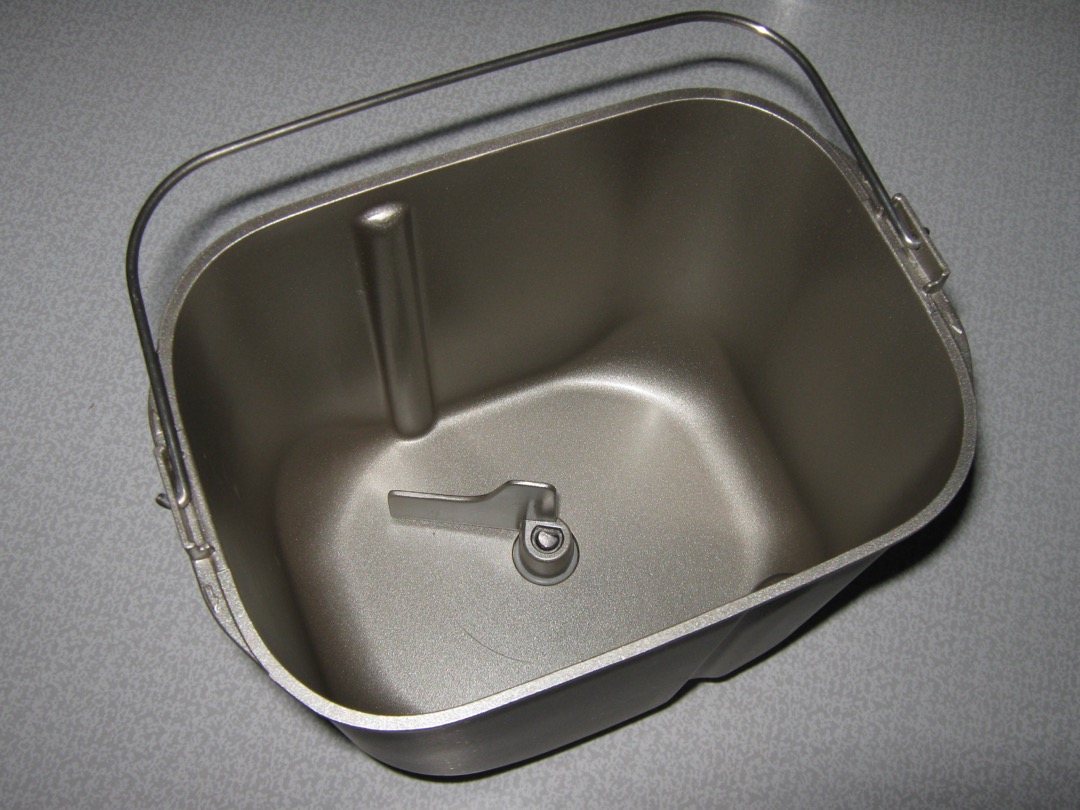
Here is the thing almost no roundup in this category will tell you, so I will lead with it. There is no bread machine sold on Amazon US with a bare, uncoated pan. Not one. Every buyable machine, from the entry tier to the Japanese flagship, has a coated baking pan, because bread dough at the end of a knead grips bare metal hard enough to tear a loaf apart on the way out. So the choice a shopper actually faces is not coated versus uncoated. It is which coating chemistry, and whether the manufacturer is willing to name it.
That reframing is the whole job of this guide. Once you accept that a coating is coming either way, the useful sorting principle becomes specificity. A listing that says PFAS-free including PTFE and PFOA on all food-contact areas has told you something you can check. A listing that says ceramic has told you a little less. A listing that says PFOA-free has told you almost nothing, because PFOA was a manufacturing aid phased out of US production around 2013, and a PFOA-free nonstick pan is still very probably a Teflon pan. A listing that just says nonstick has told you nothing at all, and you should read it as PTFE until somebody at the company says otherwise. The second trap is worse, because it looks like an answer: stainless steel on a bread machine listing describes the housing, the box on your counter, not the pan your dough touches. I will show you a machine whose Amazon spec table reads Material: Stainless Steel while its own bullet advertises a Teflon-coated pan.
For this 2026 guide I worked through nine machines that make some form of materials claim, confirmed every price, rating, and listing as live and buyable before writing a word, and then ranked them by how specific and how wide each maker’s claim actually is. I have included one machine that is not a clean pick at all, because its own listing demonstrates the single most useful rule on this page. I have also included a calibrated answer to the fear that probably brought you here, even though it undercuts part of the premise, because a guide that will not tell you when the worry is overstated should not be trusted when it says the worry is real. If coating chemistry is not your concern and you simply want the best machine, our general best bread machine guide ranks the category on crumb, pan shape, and kneading power instead.
Find the Best Non-Toxic Bread Machine for Your Need
The three searches that bring people to this page want three different answers. Jump to yours:
- Best non-toxic bread machine overall
- Best stainless steel bread machines
- Best ceramic bread makers
- Best bread machines without Teflon
How We Chose These Bread Machines
Every machine here was ranked on four things, in this order. First, the specificity of the materials claim. A named exclusion beats a named coating, which beats an adjective, so a listing that says free of PFAS including PTFE and PFOA outranks one that says ceramic, which outranks one that says free from harmful chemicals. Second, the scope of the claim: does it cover the kneading paddle as well as the pan, or does it stop at the pan and leave the highest-wear surface in the machine undocumented? That distinction reorders this page considerably, and it is the reason the top pick is not the most expensive machine on it.
Third, the depth of the ownership record standing behind the claim, because a coating is not a feature that either works or does not, it is a surface that wears, and wear only becomes visible after hundreds of bakes. A materials claim with a thin review history behind it is not wrong, it is simply unproven, and I have said so on every machine where that is the case. Fourth, whether the machine is a good bread machine at all, since a safe pan in a bad appliance is not a purchase worth making. Every claim quoted on this page comes from the manufacturer’s own listing text. None of it is independently lab-verified, which is true across this entire category and which I would rather state once here than imply otherwise nine times below.
Best Non-Toxic Bread Machine Overall
These are the nine machines I would consider this year, each reviewed once below with its claim quoted and its gaps named. The picks lead with the widest and most specific claims rather than with the highest price, and one machine is here specifically because its listing shows you what to watch for. The use-case sections further down regroup the same machines around the three searches that actually bring people here.
Best Overall: KBS Pro 710W Stainless Steel Bread Maker
The KBS Pro 710W wins this guide on a detail most shoppers never think to check: its claim covers the paddle. The listing states a non-toxic ceramic pan and paddle, healthier than Teflon coating, natural nonstick. That second noun is doing a great deal of work. Most machines on this page make a claim about the pan and go quiet about the kneading blade, which is the part that drags through stiff dough under motor load several hundred times across the machine’s life and therefore wears fastest. A claim that covers both surfaces is a materially wider claim than a claim that covers one, and only a handful of machines here make it.
The second reason it leads is the ownership record. This machine has the deepest one on this page, and unlike the pooled Elite Gourmet count further down, every one of those reviews is for this exact model, and in a category where the failure mode you actually care about is slow abrasive wear rather than a defect out of the box, that depth is worth more than a spec sheet. A coating that is going to disappoint people does so in year two, not week one, and a machine with tens of thousands of owners has been through that window in public. The rest of the package is genuinely strong: seventeen programs plus a fully custom slot, a real automatic fruit and nut dispenser rather than an add-in beeper, a 15-hour delay timer, and a 15-minute power-failure backup that picks the cycle back up after a brief outage instead of throwing away your dough. The housing is 316 stainless steel, which is the grade you normally see on marine hardware and food-service equipment, and it is exactly the detail that makes this machine the honest answer to the stainless steel search discussed further down.
The honest limits. Healthier than Teflon coating is comparative marketing rather than a named-chemistry exclusion, and it is weaker wording than Zojirushi’s or Elite Gourmet’s even though the pan itself is ceramic. The claim is the manufacturer’s own, not a lab result, which is true of every machine in this guide. And the listing does not publish the machine’s dimensions, which is a strange omission in a category where cabinet clearance kills plenty of purchases. If you want the most airtight wording on this page rather than the best combination of claim, features, and ownership record, buy the Zojirushi.

KBS Pro 710W 2.2LB Bread Maker, Stainless Steel 17-in-1 Smart Bread Machine with Healthy Ceramic Pan
by KBS
The best non-toxic bread machine overall, because its ceramic claim covers the paddle as well as the pan and it carries the deepest ownership record of anything here.
Pros
- The manufacturer's claim covers the paddle as well as the pan, stating a non-toxic ceramic pan and paddle, which is a scope most machines making a coating claim quietly leave out
- The deepest ownership record of any machine on this page, and all of it belongs to this exact model, which matters in a category where coatings fail by slow abrasion rather than by defect and only show their behaviour after a few hundred bakes
- A genuine automatic fruit and nut dispenser that releases mix-ins at the correct point in the knead, rather than an add-in beeper that expects you to be standing in the kitchen
- Seventeen programs plus one fully custom slot, a 15-hour delay timer, and a 15-minute power-failure backup that resumes the cycle after a brief outage instead of dumping the dough
Cons
- The coating claim is the manufacturer's own wording rather than an independently verified test result, which is true of every machine on this page and worth saying once plainly
- Healthier than Teflon coating is comparative marketing rather than a named-chemistry exclusion, so the wording is weaker than the Zojirushi's or the Elite Gourmet's even though the pan is ceramic
- The listing does not disclose the machine's dimensions, which is an odd omission in a category where counter and cabinet clearance decide plenty of purchases
Best Budget: Elite Gourmet EBM8103CG PFAS-Free Bread Maker
What makes the Elite Gourmet EBM8103CG the budget pick is not where it sits on price, it is that it gives up none of the materials claim to get there. Its listing states that the Ceralast non-toxic ceramic-coated bread pan and kneading blade are PFAS-free. That is a named coating system, a named exclusion, and an explicit extension to the blade, all in one sentence, at the entry tier of this category. Budget machines normally economise exactly here, by saying ceramic and stopping, and this one does not.
The feature set is not stripped either. Nineteen presets including a dedicated gluten-free cycle, three loaf sizes, a 15-hour delay timer, and a 60-minute keep-warm is a full everyday range, which means the compromise you are making sits in build quality rather than in capability. If gluten-free baking is the main reason you are shopping rather than a secondary consideration, our gluten-free bread machine guide goes into which cycles are genuinely different programs and which ones are a shortened standard cycle with a new label on the button, because that distinction matters more than the preset count.
Two real caveats. The review count on the listing looks deep, but Amazon now pools it with the older black EBM8103B, which makes no PFAS-free claim. Most of those owners are describing a different pan, so this coating’s long-term wear behaviour is still unproven rather than proven bad. And entry-tier build is the genuine risk in this category: what fails early on cheap bread machines is the housing, the feet, and the drive coupling under stiff whole-grain doughs, not the pan. There is also no automatic dispenser, so mix-ins go in at the beep and cannot ride an unattended overnight bake.

Elite Gourmet 2 Lb Bread Maker, PFAS-Free Ceralast Ceramic Pan, 19 Presets (EBM8103CG)
by Elite Gourmet
The budget pick, and the entry-tier machine that still names PFAS and extends the exclusion to the kneading blade rather than stopping at the pan.
Pros
- The PFAS-free claim explicitly covers the kneading blade as well as the pan, which only two other machines on this page manage
- Ceralast is a named coating system with a named exclusion rather than a generic ceramic gesture, which is the difference between a chemistry statement and a mood
- Nineteen presets including a dedicated gluten-free cycle across three loaf sizes, which is a full feature set at the entry tier rather than a stripped one
- A 15-hour delay timer with a 60-minute keep-warm, so the overnight bake that turns a bread machine into a habit is available at this level
Cons
- The large review count is pooled with the older black EBM8103B, which makes no PFAS-free claim, so very little of it speaks to how this particular coating wears under a paddle
- Entry-tier build is the real risk here, and in this category the early failures are housings, feet, and drive couplings rather than coatings
- No automatic fruit and nut dispenser, so mix-ins go in at the beep and an unattended overnight bake cannot include them
Best Upgrade: Zojirushi BB-PPC20BA Virtuoso Plus, PFAS Free
This is the most carefully worded materials claim in the entire category, and the wording is what you are buying as much as the machine. Zojirushi states the BB-PPC20BA is free of PFAS, including PTFE and PFOA, and BPA, on all areas that come into contact with food or beverages. Read that again slowly, because three things in it are unusual. It names the umbrella family and two specific members of it rather than picking one comfortable term. It adds BPA, which is a different chemistry with a different concern attached and which nobody else here mentions. And it scopes the claim to every food-contact surface, which closes the paddle question by construction instead of leaving it hanging the way most listings do.
The machine underneath the claim is the best baker on this page. There is a heater in the lid as well as the base, so the top crust browns instead of sitting pale the way it does on single-heater machines, the pan is horizontal with dual kneading blades, and the fifteen menu settings include a sourdough starter course, vegan, and salt-free. That is a menu built around dietary restriction rather than around novelty baking, which is the correct set of priorities at this level.
Now the warning that is genuinely the most useful thing on this page, and that I have not seen anyone else give. This is a new reformulated SKU. It replaces the long-running BB-PDC20BA, which is the Virtuoso Plus most people have read about, and that older machine has a PTFE pan and still sells at around the same money. Search Zojirushi Virtuoso Plus and you can very easily end up buying the wrong one while believing you bought the PFAS-free version. Check for the words PFAS Free in the product title and confirm the model number reads BB-PPC20BA before you order. Beyond that, the objections are straightforward: it costs several times what anything else here does, the reformulation is not what that money buys, and with a short review history nobody yet knows how this specific coating wears under a paddle.
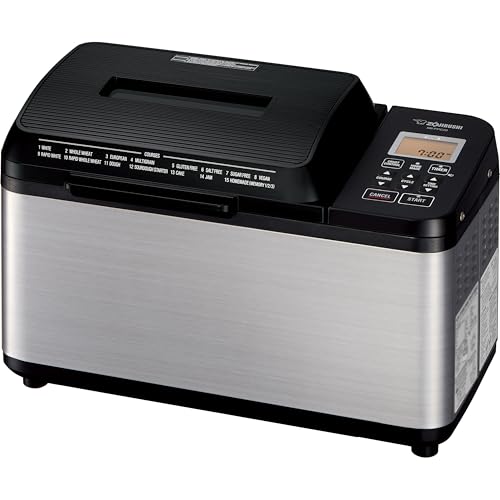
Zojirushi BB-PPC20BA Home Bakery Virtuoso Plus Breadmaker, PFAS Free, 2 lb
by Zojirushi
The upgrade pick and the most specific materials claim in the category, naming PFAS, PTFE, PFOA, and BPA across every surface that touches food.
Pros
- The most specific materials claim in the category: free of PFAS including PTFE and PFOA, and free of BPA, on all areas that come into contact with food or beverages
- That wording covers every food-contact surface rather than the pan alone, which is the only claim here that closes the paddle question by construction instead of leaving it open
- A heater in the lid as well as the base, so the top crust browns properly instead of staying pale, plus dual kneading blades for even mixing across a wide pan
- Fifteen menu settings including a sourdough starter course, vegan, and salt-free, a menu built around dietary restriction rather than novelty baking
Cons
- It costs several times what any other machine on this page does, and the coating reformulation is not what the money buys, the build and the bake quality are
- A new SKU with a short review history, so nobody yet knows how this particular PFAS-free coating holds up over years of paddle contact
- No automatic fruit and nut dispenser, which is a conspicuous omission at this level given that cheaper machines here have one
Best Mainstream Brand: Hamilton Beach PFAS-Free Bread Maker
A lot of people shopping this category are not really shopping for a coating, they are shopping for a brand they recognise that also happens to have dealt with the coating question. This is that machine. Hamilton Beach puts PFAS-Free Nonstick Pan and Kneading Paddle in the product title, which is both a real exclusion and the correct scope, and it does it behind a widely serviced US name with a deep ownership record. If part of what you want from this purchase is knowing the company will still exist in three years when you need a replacement pan, that is a legitimate thing to weight.
It also has the best pan geometry of any mainstream-priced machine here. This is a horizontal pan, which bakes the traditional rectangular loaf whose slices fit a toaster slot and fold into a sandwich, rather than the tall narrow tower a vertical pan produces. Fourteen settings cover Basic, French, Gluten-Free, Whole Grain, three express cycles across the loaf sizes, Quick Bread, Sweet, Dough, Cake, Jam, Bake, and Artisan Dough, with three crust settings, an add-in beep, an hour of keep-warm, and a dishwasher-safe pan.
Where it is thinner than the leaders is elaboration. The bullets never name the chemistry behind PFAS-free, so you get a real exclusion stated in four words with nothing behind it, which is weaker than Elite Gourmet’s named Ceralast system or Zojirushi’s itemised list even though the exclusion itself is the same class of claim. One small housekeeping note on the listing: the title says twelve settings while the bullets enumerate fourteen. Fourteen is correct. And the warranty is one year, shorter than the two years a couple of less established brands on this page offer.
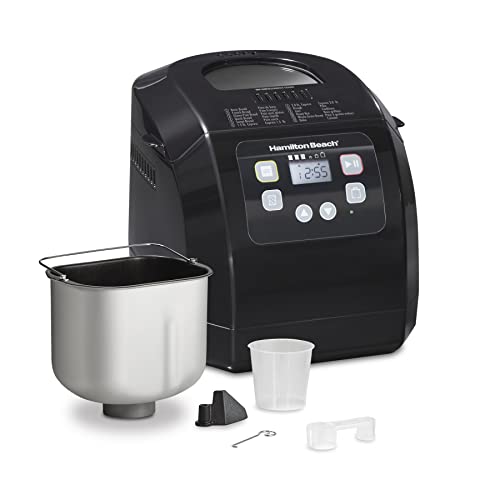
Hamilton Beach Automatic Bread Maker Machine, Digital, Programmable, PFAS-Free Nonstick Pan + Kneading Paddle, 2 lb
by Hamilton Beach
The mainstream-brand answer: a horizontal pan, a title-level PFAS-free claim covering pan and paddle, and a deep ownership record behind a widely serviced US name.
Pros
- A horizontal pan, so the loaf slices into rectangles that fit a toaster slot rather than into the tall narrow tower most machines produce
- The PFAS-free claim is made at title level and covers the kneading paddle as well as the pan, which is the scope that actually matters
- A widely serviced mainstream US brand with a deep ownership record, which is the reassurance a lot of buyers in this category are genuinely shopping for
- Fourteen settings including gluten-free, whole grain, artisan dough, and three express cycles, with a dishwasher-safe pan
Cons
- The bullets never name the chemistry behind the PFAS-free claim, so it is a real exclusion stated thinly rather than a described coating system
- The listing contradicts itself on program count, with the title saying twelve settings while the bullets enumerate fourteen
- A one-year warranty, shorter than the two years several less established brands on this page offer
Best for Sourdough: KBS 20-in-1 True Ceramic Bread Maker
This is the KBS Pro 710W’s more expensive sibling, and it makes a sharper claim than the machine above it: KBS states it is completely free of BPA and PTFE and that this ensures zero chemical contamination while baking. Naming PTFE directly is more specific than the Pro 710W’s healthier than Teflon phrasing, and that alone is worth knowing if claim wording is your deciding factor. The last clause is overreach, since zero chemical contamination is not a thing any coating can guarantee, but the named exclusion in front of it is checkable and that is the part that counts.
What actually distinguishes this machine is control. It runs twenty programs plus two savable custom slots where you set the stage times yourself, and it has a dedicated sourdough program. That combination matters because a fixed-cycle bread machine runs a rise measured in tens of minutes, while a genuine wild-yeast fermentation wants hours, so a stock sourdough preset can never produce real sourdough character. Custom stage timing is the only mechanism by which a machine of this type runs a long ferment, and very few machines offer it. Dual heaters with 360 degree convection brown the top and sides rather than only the base, the touchscreen is legible, the noise floor sits under 40 decibels for overnight running, and the warranty runs two years.
Here is the thing a chef would tell you across a counter rather than let you work out later: the premium over the Pro 710W buys the touchscreen and the custom programs, not a safer pan. Both are ceramic, the sibling’s claim is broader in scope even if this one’s is sharper in wording, and if you are paying the difference expecting better materials, you are paying it for the wrong reason. The review record here is also far shallower than the sibling’s, and the paddle material is not stated separately, which is precisely the gap the next machine on this page exists to illustrate.

KBS 2.2LB Smart Bread Maker, 20-in-1 with Color Touchscreen and True Ceramic Pan
by KBS
The most configurable machine here and one of the few that names PTFE directly, with a real sourdough program and two savable custom cycles, though the premium over its sibling buys features rather than a safer pan.
Pros
- It names PTFE directly and excludes it alongside BPA, which is a more specific claim than its own better-selling sibling makes
- A dedicated sourdough program plus two savable custom slots where you set the stage times yourself, which is the only way a fixed-cycle machine runs a genuinely long fermentation
- Dual heaters with 360 degree convection, so the crust browns on the top and sides rather than only where the dough sits against the base element
- A two-year warranty, a colour touchscreen, and a sub-40 decibel noise floor that makes an overnight delay-start usable in a small home
Cons
- A shallow review record next to its own sibling, so its long-term behaviour is far less well mapped despite carrying the same brand
- The premium over the Pro 710W buys the touchscreen and the custom programs, not a safer pan, and that is worth being blunt about
- The paddle material is not stated separately from the pan, which is exactly the disclosure gap this guide exists to point out
Best Horizontal Ceramic Pan: Briskind 19-in-1 Bread Maker
The Briskind occupies a genuinely useful niche: it is the only machine on this page that pairs a horizontal pan with a coating its maker calls ceramic. Horizontal pans are rare at any price, and the other two here belong to a mainstream brand whose claim does not name a coating and to a flagship costing several times as much. If you want a rectangular sandwich loaf and a ceramic pan in the same box at a mid-range outlay, this is the machine that exists.
It is also the cleanest example of the housing-versus-pan confusion this page keeps returning to, and it is not the manufacturer’s fault. Briskind advertises a sleek stainless steel body and, separately, a ceramic non-stick coating bread pan. Both statements are true and they describe different parts. A shopper skimming for stainless steel sees the first and stops. The rest of the machine is well considered: a glass touch panel with a backlit LCD that spells the program out in words instead of a numeric code, nineteen programs including a sourdough starter cycle, three crust colours, a mute function for overnight running, a smart temperature sensor that adjusts the cycle to ambient kitchen temperature, ETL certification with a grounded plug, and a two-year warranty.
The claim itself is the weak point, and it is the weakest of the machines I would actually recommend. The ceramic non-stick coating bread pan is free from harmful chemicals names nothing. No excluded compound, no coating system, no test. The pan is very probably genuine ceramic, and Briskind has no obvious reason to lie, but what you have is an assertion rather than a specification. The paddle is not mentioned at all, which bites harder on a horizontal machine because there is simply more scraped surface in play, and the review record is still modest.

Briskind 2 lb Bread Maker Machine with Ceramic Pan, 19-in-1, Clear Text LCD
by Briskind
The only machine here that pairs a horizontal pan with a coating its maker calls ceramic, in a stainless body, bought at the cost of the vaguest materials claim on the page.
Pros
- The only machine here that pairs a horizontal pan with a coating its maker actually calls ceramic, a combination that is genuinely rare below the flagship tier
- A stainless steel body with a glass touch panel and a backlit LCD that spells the program out in words rather than in a numeric code you have to look up
- Nineteen programs including a sourdough starter cycle, three crust colours, and a mute function for overnight running
- A two-year warranty plus a temperature sensor that adjusts the cycle to the ambient kitchen temperature, which is the variable most home loaves fail on
Cons
- Free from harmful chemicals is the vaguest materials claim on this page, naming no exclusion and no coating system
- The paddle material is not stated at all, which matters more on a horizontal machine because there is simply more scraped surface
- A modest review record, so the coating's wear behaviour across years of use is not yet visible in the ownership record
Best Dual-Heater Ceramic Machine: Neretva 15-in-1 Bread Maker
The Neretva earns its place on hardware rather than on wording. It has dual 360 degree heaters, which outside the flagship tier is uncommon and is the difference between a loaf with a browned top and a loaf with a pale soft one. It has a real automatic fruit and nut dispenser, a hopper that releases mix-ins at the correct point in the knead rather than beeping at you to be present, which is the only version of that feature that survives contact with a 15-hour delay timer. It runs quietly enough for an overnight cycle, bakes up to 2.2 lb, and carries a review record deep enough that its reliability pattern is actually visible.
Then there is the claim, which I am going to be politely blunt about. Neretva writes that the new upgrade ceramic pan is 100% no chemicals and will not stick, which is easy to wash. One hundred percent no chemicals is not a statement about materials. Water is a chemical, flour is a great many chemicals, and the ceramic sol-gel coating on this pan is itself a chemical product. What the sentence does is gesture at safety without excluding anything, and a claim that excludes nothing cannot be checked against anything. My honest read is that the pan is genuine ceramic and that this is a copywriting problem rather than a deception, but you are being asked to accept a vibe where Zojirushi and Elite Gourmet both hand you a specification.
The paddle material is not stated separately either, so the highest-wear surface is undocumented. And with only two loaf sizes, a small weekday loaf leaves the pan running half empty, which spreads the dough thin and bakes it unevenly. Buy this one for the dual heaters and the dispenser, and treat the ceramic pan as a reasonable probability rather than a verified fact.

Neretva 2.2LB 15-in-1 Bread Machine with Dual Heater and Automatic Nut Dispenser
by Neretva
A dual-heater 2.2 lb machine with a real mix-in dispenser and a ceramic pan, held back by a materials claim that says nothing specific enough to check.
Pros
- Dual 360 degree heaters, which is uncommon outside the flagship tier and is what browns the top of the loaf instead of leaving it pale and soft
- A genuine automatic fruit and nut dispenser rather than an add-in beeper, so an unattended overnight bake can still carry raisins, seeds, or nuts
- A ceramic pan on a 2.2 lb machine with a 15-hour delay timer and a sub-40 decibel noise floor for running through the night
- A solid review record for a machine at this level, which makes its reliability pattern more visible than it is for most of the smaller-volume brands here
Cons
- 100% no chemicals is marketing language rather than a chemistry disclosure, since everything is a chemical, and the claim names nothing that it actually excludes
- The paddle material is not stated separately, so the highest-wear surface in the machine is left undocumented
- Only two loaf sizes, so a small weekday loaf is not really on the menu and the pan runs half empty when you try
Best Stainless Styling: Elite Gourmet EBM8224MM Bread Maker
This machine makes the same named claim as the budget pick and looks considerably better doing it. The listing describes stainless steel elegance with a stainless-steel body and handle, a glass top, and a touch screen, and separately states that the bread maker features a PFAS free ceramic, non-toxic coated pan. Nineteen functions, three loaf sizes, a 15-hour delay timer, and a 60-minute keep-warm match the specification of its plainer sibling almost exactly.
So the useful thing to say about it is what the extra money actually buys, and the answer is styling. The Ceralast pan claim is the same claim. The programs are the same programs. What changes is a stainless body and handle in place of plastic, a glass top, and a touchscreen in place of buttons. Those are real improvements if you keep the machine on the counter, because a stainless housing wipes down properly and does not yellow, and there is nothing wrong with paying for a machine you like looking at. Just do not pay it believing you are buying a safer pan, because you are not.
One genuine wording difference between the two does run in the sibling’s favour, and it is worth catching. The plainer EBM8103CG extends its PFAS-free statement to the kneading blade explicitly. This one writes the claim for the pan and stops. Same coating system, narrower stated scope, which by this page’s own ranking principle puts the cheaper machine ahead on the thing that matters most. It is also the lower-rated of the two, on a much shorter record of its own.

Elite Gourmet 2 Lb Bread Maker, PFAS-Free Ceralast Pan, 19 Functions, Stainless Steel (EBM8224MM)
by Elite Gourmet
The same named PFAS-free Ceralast pan as the budget pick, wrapped in a stainless steel body with a touchscreen, which is what the extra outlay actually buys.
Pros
- The same named Ceralast PFAS-free pan claim as its plainer sibling, which puts it ahead of the generic ceramic claims elsewhere on this page
- Nineteen functions across three loaf sizes with a 15-hour delay timer and a 60-minute keep-warm
- A stainless steel body and handle with a glass top and touch screen, which is the version of this machine that wipes down properly and looks like it belongs on a counter
- A named coating with a named exclusion, so you can check the claim against a manufacturer specification rather than against an adjective
Cons
- The premium over the plainer Elite Gourmet buys stainless styling and a touchscreen, not a different pan and not a safer one
- The claim here is written for the pan only, unlike its sibling, which extends the identical Ceralast claim to the kneading blade
- The lower-rated of the two Elite Gourmet machines here, on a short review record of its own
The Teaching Case: VEVOR 19-in-1 Ceramic Pan Bread Maker
I have included the VEVOR partly because it is a serviceable entry-tier machine with a ceramic pan, and mostly because its listing proves the most useful rule on this page better than any argument I could construct. VEVOR writes that they use a food-grade ceramic inner pot, which is heat-resistant and will not release harmful substances, and then, in the very next sentence, that the mixing blade is also made of food-grade Teflon material, which is safe and harmless. Ceramic pan. Teflon paddle. Same box. Disclosed by the manufacturer itself, voluntarily, in the same bullet.
That is not a scandal and I am not treating it as one. VEVOR told the truth where most of this category would simply have stayed quiet, and honestly I would rather have a stated Teflon paddle than an unstated one. But it means this is not a PTFE-free machine no matter what the pan is, and the part that is PTFE happens to be the part that scrapes a stiff dough under motor load for twenty minutes at a time, which makes it the fastest-wearing surface in the whole machine. If your reason for shopping this category is to keep fluoropolymers out of the dough, this machine does not do that, and its own listing is what tells you so.
As a machine it is fine: nineteen programs, three loaf sizes, a 15-hour delay timer, an add-in beep, and a ceramic pan at the entry tier. It also carries the lowest rating on this page on a modest review record. Treat the safe and harmless line attached to the Teflon blade as an advertisement rather than a finding, read the listing the way I just did, and then go and read every other listing in this category the same way. That habit is worth more than any single pick here.
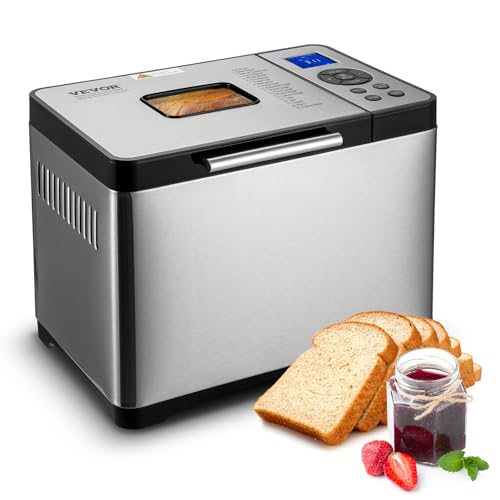
VEVOR Bread Maker, 19-in-1 2LB Dough Machine with Nonstick Ceramic Pan
by VEVOR
Included partly as the teaching case for this whole page: a food-grade ceramic pan and, by the manufacturer's own statement, a Teflon kneading blade in the same box.
Pros
- A food-grade ceramic inner pot, and the manufacturer says plainly what the pan is instead of hiding behind the word nonstick
- Unusual transparency about the kneading blade, which the maker states is Teflon, and that disclosure is far more useful to a shopper than the silence you get from most of this category
- Nineteen programs across three loaf sizes with a 15-hour delay timer and an add-in beep for mix-ins
- A ceramic pan at the entry tier, which is the specification most shoppers in this category are actually hunting for
Cons
- The kneading blade is stated Teflon by the manufacturer itself, so this is not a PTFE-free machine whatever the pan is, and the blade is the highest-wear surface in the box
- The lowest rating on this page, on a modest review record
- Safe and harmless is the manufacturer's characterisation of that Teflon blade, not an independent finding, and it is the kind of reassurance you should treat as an advertisement
Best Stainless Steel Bread Machines
If you searched for a stainless steel bread machine, there is a good chance you pictured a bare, gleaming steel pan with nothing sprayed on it. That machine is not sold on Amazon US, and I have not been able to find it sold anywhere in the consumer market. The reason is practical rather than commercial: dough at the end of a knead grips uncoated metal hard enough that removing a loaf intact would be a wrestling match, so every buyable machine coats the pan. What stainless steel denotes on these listings, virtually without exception, is the cabinet.
Here is the example that should make the problem concrete, and it involves a machine we rate well elsewhere. The KITCHENARM 29-in-1 is a genuinely good bread machine and we recommend it for whole grain in our general bread machine guide, where its custom programmable cycles earn it a place. Its Amazon spec table lists Material: Stainless Steel. Its own product bullet reads Food Grade Teflon Coated Non-Stick Bread Pan. Both are accurate and they describe different parts of the same appliance, but a shopper filtering Amazon’s sidebar by Material: Stainless Steel, believing that filter says something about the pan, is handed a Teflon-pan machine by the filter itself. That is not KITCHENARM’s doing, and I want to be clear that this is not a criticism of the machine. It simply is not a non-toxic pick, and at least two competing roundups list it as one, which tells you how easily this trap catches people who are writing the guides.
So the three below are what the stainless search should actually return: machines with a stainless steel housing whose pan is ceramic rather than PTFE. You get the wipe-clean cabinet you wanted and a pan chemistry you can name.
| Product | Price | Buy |
|---|---|---|
| KBS Pro 710W 2.2LB Bread Maker, Stainless Steel 17-in-1 Smart Bread Machine with Healthy Ceramic PanBest stainless steel machine overall A 316 stainless steel body stated in the same listing as a ceramic pan and paddle, which is the exact combination the stainless search is looking for | $139.98 | View on Amazon |
| Elite Gourmet 2 Lb Bread Maker, PFAS-Free Ceralast Pan, 19 Functions, Stainless Steel (EBM8224MM)Best stainless steel styling A stainless steel body and handle with a glass top, wrapped around the same named PFAS-free Ceralast pan as the budget pick | $124.99 | View on Amazon |
| Briskind 2 lb Bread Maker Machine with Ceramic Pan, 19-in-1, Clear Text LCDBest stainless body with a horizontal pan A stainless steel body paired with the only horizontal ceramic pan here, though the coating claim itself names nothing specific | $119.89 | View on Amazon |
Best Ceramic Bread Makers
Ceramic on a bread pan does not mean what most people picture. It is not solid ceramic and it is not a glaze fired onto stoneware. It is a sol-gel coating, a thin silica-based mineral layer applied as a liquid and cured onto a metal pan, typically only a few microns thick. The pan underneath is still aluminium or steel, which is what lets it conduct heat quickly from the base element and take the torsional load of a drive shaft. This is also why nobody sells a solid ceramic bread pan: it would heat unevenly and crack under a paddle.
The practical difference from PTFE is in how the two coatings fail rather than in how they perform new. PTFE is slick and stays slick until it is physically damaged, at which point it flakes, and flakes are particles that end up in food. Ceramic is harder and more scratch-resistant but chemically less stable over time, so it tends to lose its release properties gradually, first sticking a little, then sticking a lot, without shedding much. In a bread machine that is arguably the better failure mode, because the paddle in these machines scrapes the same square inch of pan floor through a stiff knead several hundred times across the machine’s life. A coating that goes dull tells you it is time for a new pan. A coating that flakes tells you after the fact. It is the same logic that makes a stainless steel inner pot rice cooker worth the extra handling effort for people who cook rice daily.
| Product | Price | Buy |
|---|---|---|
| KBS Pro 710W 2.2LB Bread Maker, Stainless Steel 17-in-1 Smart Bread Machine with Healthy Ceramic PanBest ceramic bread maker overall A ceramic claim that covers the paddle as well as the pan, behind by far the deepest ownership record on this page | $139.98 | View on Amazon |
| Elite Gourmet 2 Lb Bread Maker, PFAS-Free Ceralast Ceramic Pan, 19 Presets (EBM8103CG)Best value ceramic pan and blade A named Ceralast ceramic system with a stated PFAS-free exclusion covering both the pan and the kneading blade | $90.75 | View on Amazon |
| KBS 2.2LB Smart Bread Maker, 20-in-1 with Color Touchscreen and True Ceramic PanBest ceramic machine for sourdough A ceramic pan with PTFE named and excluded, plus two savable custom cycles for setting your own fermentation times | $169.99 | View on Amazon |
Best Bread Machines Without Teflon
Three machines here name PTFE or its chemical family and exclude it in writing. The rest say ceramic and leave you to infer that ceramic implies no fluoropolymer, which it almost certainly does, but inference is not the same thing as a statement you can hold a manufacturer to. If your reason for buying is specifically to avoid Teflon rather than to prefer ceramic, that distinction is the one to shop on, and these three are ranked by exactly how specific each claim is.
Zojirushi’s is the most complete sentence in the category: free of PFAS, including PTFE and PFOA, and BPA, on all areas that come into contact with food or beverages. It names the family, two members, an unrelated compound, and the full scope. Elite Gourmet comes next with a named coating system and a PFAS-free exclusion that explicitly covers the pan and the kneading blade, which is narrower in chemistry but equally clear on scope. The KBS True Ceramic machine names PTFE and BPA directly, which is a sharper word than most of this page manages, but stops short of stating the paddle. Notice the pattern: the useful information is never in the word non-toxic, it is in whatever sits immediately after it.
| Product | Price | Buy |
|---|---|---|
| Zojirushi BB-PPC20BA Home Bakery Virtuoso Plus Breadmaker, PFAS Free, 2 lbMost specific PTFE-free claim here Names PFAS, PTFE, PFOA, and BPA and scopes the exclusion to every food-contact surface, which closes the paddle question outright | $499.99 | View on Amazon |
| Elite Gourmet 2 Lb Bread Maker, PFAS-Free Ceralast Ceramic Pan, 19 Presets (EBM8103CG)Best value PFAS-free pan and blade A named Ceralast system with the PFAS-free exclusion written for the pan and the blade together, at the entry tier | $90.75 | View on Amazon |
| KBS 2.2LB Smart Bread Maker, 20-in-1 with Color Touchscreen and True Ceramic PanBest PTFE-free machine for sourdough Names PTFE and BPA directly and pairs that with dual heaters and two custom programmable cycles | $169.99 | View on Amazon |
Buyer's Guide
Non-toxic is not a regulated term in cookware, so this category is sorted by how specific a manufacturer is willing to be. Six things separate a real materials claim from a reassuring adjective.
Read the Exact Wording, Not the Marketing Category
Four phrases appear on these listings and they mean four different things. PFOA-free is the weakest, because PFOA was a manufacturing aid phased out of US PTFE production around 2013, which means a PFOA-free pan is very probably still a Teflon pan and the claim is close to meaningless today. Ceramic, PTFE-free, and PFAS-free describe a genuinely different chemistry with no fluoropolymer present. Nonstick with no chemistry named should be read as PTFE until the manufacturer says otherwise, because a company that has paid for a fluoropolymer-free coating advertises it. Rank the claims on this page by specificity and the order falls out immediately: Zojirushi names PFAS, PTFE, PFOA, and BPA on every food-contact area, Elite Gourmet names PFAS on pan and blade, KBS names PTFE, Hamilton Beach says PFAS-free without elaborating, and the rest say ceramic and leave you to infer the rest.
The Housing Is Not the Pan
This is the single most misleading thing about the category, and it is not really anyone lying, it is a shopper and a marketer using the same word for different parts. Stainless steel on a bread machine listing almost always describes the outer cabinet. The pan inside is coated metal, always, and the coating is a separate specification that has to be looked up separately. You can see both halves of this in one listing: the KBS Pro 710W's own bullets state a 316 stainless steel body and a non-toxic ceramic pan and paddle. Briskind advertises a sleek stainless steel body and a ceramic non-stick coating bread pan. Elite Gourmet's EBM8224MM pairs a stainless-steel body with a PFAS-free ceramic coated pan. A stainless housing is a real benefit, it wipes clean and survives daily use, but it tells you nothing whatsoever about what your dough touches.
Check the Paddle Separately From the Pan
The kneading paddle is a separate part with a separate coating, and it is the highest-wear surface in the whole machine, because it drags through stiff dough under motor load hundreds of times over the machine's life. Manufacturers know this and most of them simply do not mention the paddle. VEVOR is the exception that proves how much it matters: its own listing states a food-grade ceramic inner pot and, a sentence later, that the mixing blade is also made of food-grade Teflon material. Ceramic pan, PTFE paddle, one box, disclosed by the manufacturer. On this page only four machines extend their claim to the paddle, so when a listing says ceramic pan and stops, assume the paddle is a separate question you have not had answered. If the manufacturer will not say, email and ask.
Coating Wear Is the Real Exposure Route, Not Fumes
Most people arrive at this search worried about off-gassing, and the honest answer partly undercuts the premise of this page, so here it is. PTFE begins to decompose at about 500°F and polymer fume fever needs roughly 572°F to 842°F. Bread machine pans measure between about 255°F and 300°F, with recorded peaks of 312°F and 310°F on Panasonic machines, 308°F on an Oster, 302°F on an Elite Gourmet, and 292°F on a Zojirushi, and Zojirushi's own manual quotes a bake range of 254°F to 290°F. A bread machine pan runs roughly 200°F below the point where PTFE starts to break down. The fume risk is real for an empty stovetop pan on high heat, which reaches 500°F in minutes, and it does not transfer here. While we are correcting things: overheated PTFE releases fluorocarbon gases such as carbonyl fluoride, not PFOA. The legitimate reason to prefer ceramic in this specific appliance is mechanical. A paddle scrapes the same pan through a stiff knead several hundred times over the machine's life, and a scratched nonstick surface sheds particles into food. The exposure route is abrasion, and it lands on the same buying advice by a more defensible road.
Loaf Shape: Horizontal Versus Vertical
Coating is the reason you are here, but pan orientation is the thing you will notice every single time you slice a loaf, and it is worth not losing it in the materials question. A vertical pan is deeper than it is wide and bakes a tall narrow tower whose slices are too tall for a toaster slot and awkward in a sandwich. A horizontal pan bakes the traditional rectangle. Horizontal machines are rarer at every price, and on this page only the Hamilton Beach, the Briskind, and the Zojirushi flagship have one. Horizontal pans usually run two paddles rather than one, because a single paddle cannot mix a wide pan evenly, which incidentally means two paddle holes in the bottom of the loaf and two paddle coatings to ask about instead of one.
What Non-Toxic Does and Does Not Mean
Non-toxic has no regulatory definition in cookware. No agency certifies it, no test establishes it, and any manufacturer may print it on any box. That is not a reason to dismiss every claim, it is a reason to read past the phrase to whatever specific exclusion sits behind it, which is how this entire page is ranked. One related error is worth correcting because it circulates widely in this category: UL and ETL certify electrical safety, and NSF certifies sanitation and cleanability standards. Not one of them certifies anything at all about PFAS, PTFE, or coating chemistry. A machine that is UL listed or ETL certified has been assessed for whether it will electrocute you or start a fire, which is genuinely worth having, but nobody should let that badge imply anything about what the pan is made of.
How to Choose the Best Non-Toxic Bread Machine
Sort the Claims Before You Sort the Machines
Work the wording first and the shortlist builds itself. Write down what each listing actually says, not what it implies. PFAS-free including PTFE and PFOA, on all food-contact areas is the strongest form and there is exactly one of those in this category. PFAS-free, pan and blade is next. PTFE-free or BPA and PTFE free is next. Ceramic with nothing excluded comes after that. PFOA-free on its own is close to noise, because it describes a manufacturing input phased out of US production more than a decade ago and is compatible with a pan that is entirely Teflon. Nonstick with no chemistry at all is a PTFE pan until a human being at the company tells you otherwise. Once the claims are sorted, compare features among the machines that cleared your threshold, rather than the other way around.
Ask About the Paddle, Every Time
If you take one habit from this page, make it this one. The pan gets the marketing and the paddle does the work. It is a small part, it scrapes the same surface hundreds of times under load, and on most listings it is simply absent from the copy. Four machines here state the paddle’s material. The rest describe a pan and say nothing, which means you do not know. VEVOR’s listing is the reason this matters and not a hypothetical: a food-grade ceramic inner pot and a food-grade Teflon mixing blade, in the same product, stated by the same manufacturer. Before you buy, search the listing page for the words paddle and blade. If neither appears next to a material, email the manufacturer and ask, and treat a non-answer as an answer.
Keep the Temperature Fear in Proportion
This is where I undercut my own page slightly, because the alternative is letting you buy on a premise that does not hold. PTFE begins to decompose around 500°F, and the polymer fume reaction people worry about needs something in the range of 572°F to 842°F. Bread machine pans do not operate anywhere near that. Measured peaks across dozens of machines sit between about 255°F and 300°F, with specific figures recorded at 312°F and 310°F on Panasonic units, 308°F on an Oster, 302°F on an Elite Gourmet, and 292°F on a Zojirushi, and Zojirushi’s own manual states a 254°F to 290°F bake range. Pan temperature, not chamber air temperature, is what these manufacturers design around. So a bread machine pan runs roughly 200°F below the threshold where PTFE starts to break down, and the fume worry, which is entirely legitimate for an empty skillet on a high burner, does not transfer to this appliance. Overheated PTFE also releases fluorocarbon gases like carbonyl fluoride rather than PFOA, a correction worth making once because the wrong version circulates constantly. The reason to buy ceramic anyway is abrasion, not heat, and that reason is strong enough on its own.
Do Not Let a Certification Mark Answer a Materials Question
UL and ETL are electrical safety marks. NSF is a sanitation and cleanability standard. They are all worth having and none of them says a single word about PFAS, PTFE, or what your pan is coated with. I have seen roundups in this category cite a machine’s UL listing as evidence of material safety, which is a category error, and it is the kind of error that spreads because the badge looks authoritative. If a page points at a certification mark when you asked about coating chemistry, it has changed the subject. The same discipline applies across materials-driven kitchen buying generally, which is why our guide to a stainless steel electric kettle with no plastic works through which internal parts actually touch the water rather than relying on a mark on the base.
Decide the Loaf Shape While You Are Here
Coating is why you came, but shape is what you will notice at breakfast. A vertical pan bakes a tall narrow tower whose slices will not fit a toaster slot. A horizontal pan bakes the rectangle you recognise as bread. Only three machines on this page have a horizontal pan, and two of those are the Hamilton Beach and the Briskind, so if sandwich geometry matters to you, your shortlist narrows fast and it narrows in a way the materials question will not warn you about. Horizontal machines usually run two paddles, because one paddle cannot mix a wide pan evenly, which means two coatings to ask about rather than one and two paddle holes in the finished loaf.
Replace the Pan Before It Gets Bad, Whatever It Is Coated With
Whichever chemistry you buy, the coating is a wear part and it has a service life, which is a more useful frame than treating it as a safety binary. Check the pan floor around the paddle boss every few months. Scratching, dulling, or a visible change in colour where the paddle sits means the coating is going, and a going coating is the only realistic route by which anything from that pan reaches your bread. Never use a metal utensil in the pan, never put the paddle back on the shaft with grit under it, and confirm before you buy that a replacement pan is actually purchasable for your model, because on several of the smaller brands here it is not. A machine whose pan cannot be replaced has a coating lifespan and a machine lifespan that are the same number.
Final Verdict
For most people the KBS Pro 710W is the right buy, and the reason is narrower and more specific than the price bracket. Its claim covers the paddle as well as the pan, which most of this category will not commit to, and it carries the deepest ownership record of anything here that belongs to a single model, which is the only way to see how a coating behaves after the hundreds of bakes it takes for wear to show. It also happens to solve the stainless steel search properly, with a 316 stainless housing and a ceramic pan stated in the same listing. If you want the most airtight wording in the category rather than the best all-round package, the Zojirushi BB-PPC20BA names PFAS, PTFE, PFOA, and BPA across every food-contact surface, and you should check for PFAS Free in the title and the BB-PPC20BA model number so you do not accidentally buy its PTFE-panned predecessor.
If cost is the constraint, the Elite Gourmet EBM8103CG is the pick, because it is the entry-tier machine that still names a coating system, names an exclusion, and extends both to the kneading blade rather than stopping at the pan. Whichever way you go, read the claim rather than the adjective, ask about the paddle separately, and keep the temperature worry in proportion: your real exposure route is a worn coating, not a fume. And if coating chemistry turns out not to be your deciding factor after all, our general best bread machine roundup ranks the same category on crumb, kneading power, and pan shape, while the best glass tea kettle guide applies the identical read-the-materials discipline to the other appliance people buy for exactly these reasons.
Frequently Asked Questions
Is there a stainless steel bread maker that doesn't use Teflon?
What is the actual difference between PFOA-free and PTFE-free?
Does bread baking get hot enough to release Teflon fumes?
Is there a glass bread maker?
How can I tell what coating my current bread machine has?
Related Articles
The 9 Best Bread Machines of 2026, Tested by a Chef
small-appliances
The 9 Best Gluten-Free Bread Machines of 2026, Tested by a Chef
small-appliances
The 9 Best Stainless Steel Rice Cookers of 2026, Tested by a Chef
small-appliances
10 Best Glass Tea Kettles of 2026, Tested by a CIA-Trained Chef
kettles-boiling
8 Best Plastic-Free Electric Kettles of 2026, Audited Part by Part
kettles-boiling
About the Reviewer

Nora Whitfield, CIA Culinary Arts, ServSafe Certified
A.O.S. Culinary Arts, The Culinary Institute of America
Nora Whitfield trained at the Culinary Institute of America and spent twelve years in professional kitchens, the last four running the test kitchen for a regional restaurant group where her job was to decide which equipment could survive a dinner service and which could not. She has seasoned more carbon-steel woks than she can count, boiled water in every kettle worth owning, and broken enough cheap gear to know exactly where manufacturers cut corners. She reviews kitchen equipment the way she specified it professionally: cook on it, clean it, and see what it looks like after a month.